

If you’ve ever wondered why one home sells instantly for a premium, while another—nearly identical on paper—lingers, the answer is often invisible. Square footage, granite countertops, lot size, the number of bedrooms and bathrooms, all matter, but in 2026, these features are no longer decisive.
What separates the homes that sell are intangible features:
qualities you feel more than you measure.
As affordability pressures persist, interest rates remain elevated, and national home-price growth stays modest, buyers are prioritizing something deeper than finishes. They want homes that reduce stress, support wellness, and feel like a refuge. The result? Subtle, often-overlooked characteristics—views, tranquility, privacy, light, nature, and safety—are delivering disproportionate returns in both resale value and everyday happiness.
For prospective buyers, current homeowners, and the professionals who advise them, understanding these hidden gems is no longer optional. It’s one of the most reliable ways to make smarter decisions in a slower, more selective market.
Table of Contents
- Why Intangibles Matter in 2026
- 5 Valuable Hidden Gems
- How to Find Hidden Gems in Your Current Home
- How Smart Buyers Spot Diamonds Others Miss
- Low-Cost Improvements That Punch Above Their Weight
- An Invisible Upgrade: Digital Twins and the Rise of the Documented Home
- Conclusion: In 2026, the Most Valuable Homes Feel Certain
Also see:
Why Intangibles Matter in 2026
The housing market has matured. After years of rapid appreciation, buyers are no longer chasing anything with a roof. They’re cautious, value-driven, and emotionally attuned.
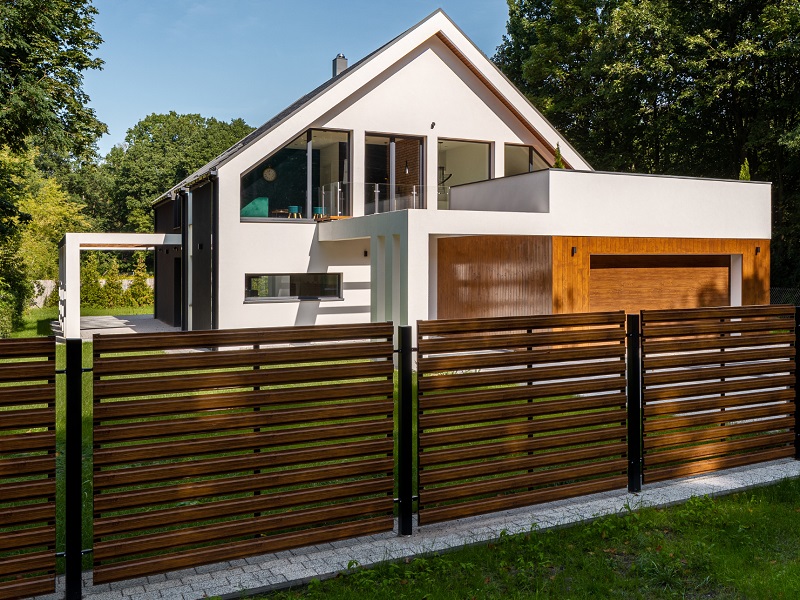
Newly built, modern home with wooden styled fence on secluded lot
Several market forces are converging:
- Hybrid and Remote Work have made the home environment central to daily life.
- Wellness Awareness has shifted attention toward light, solitude, and nature.
- High Carrying Costs mean buyers want homes they’ll enjoy long-term, not simply tolerate.
In this environment, intangible features act like emotional accelerators.
They make buyers linger longer at showings, imagine their future more vividly, and justify paying more—even when the numbers are tight.
With national home-price growth expected to hover around the low single digits, the features that help one home outperform another increasingly come down to livability—not luxury.
- Zillow Consumer Housing Trends Report has consistently shown that buyers rank neighborhood quality, noise levels, and natural light above many interior finishes when forced to trade off features.
- Zillow’s 2025–2026 outlook projects ~1–2% national home value growth, reinforcing that relative advantages—not market tailwinds—will drive outperformance.
Also see:
5 Valuable Hidden Gems
- Views: The Ultimate Emotional Multiplier
- Tranquility, Privacy, and the Luxury of Not Being Disturbed
- Safety as an Emotional and Financial Asset
- Nature, Light, and the Biophilic Advantage
- Lot Quality Over Lot Size
1. Views: The Ultimate Emotional Multiplier
A great view is one of the few features that can dramatically change how a home feels without changing the home itself.

View of calm lake at sunset
Whether it’s water, mountains, canyons, parks, city skylines, or even elevated openness over neighboring rooftops, views create a nurturing daily ritual. Morning coffee feels different. Evenings slow down. Stress drops.
From a value perspective, views are powerful because they’re scarce and difficult to replicate.
Depending on type and quality, a view can add anywhere from a modest single-digit premium to dramatic price increases in competitive markets.

View of cloudy canyon sunset
Unobstructed water views sit at the top, followed by high panoramic vistas, then partial or ground-level natural views.
What many buyers miss is latent view potential: a second story that hasn’t been fully utilized.
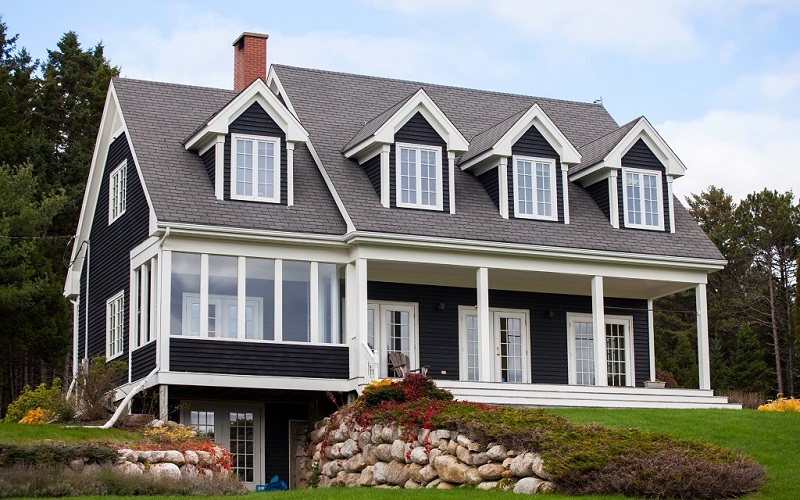
Cape Cod situated high above the access road with pristine views
Two common examples of latent view potential are:
- Trees that block sightlines but could be responsibly pruned.
- A deck that’s never been oriented toward the best angle or vista.
These opportunities often cost far less to unlock than interior renovations, yet they can reshape both daily experiences and resale perceptions.

Purple and blue canyon sunset
2. Tranquility, Privacy, and the Luxury of Not Being Disturbed
In 2026, solitude has become a form of wealth.
Homes on calm streets, set back from traffic, or positioned on cul-de-sacs consistently outperform similar properties exposed to noise and congestion. The difference isn’t subtle. Traffic noise, safety concerns, and constant activity narrow the buyer pool and drag down values, while peaceful locations expand demand.

Peaceful backyard retreat area with wooden bench
Privacy plays a similar role. Buyers are willing to pay more for homes where they’re not constantly aware of neighbors, passing cars, or nearby commercial activity.

Relaxing Adirondack chair by cozy campfire in backyard setting
This is especially true for families, remote workers, and older buyers prioritizing long-term comfort.
Privacy isn’t just about acreage.
Thoughtful landscaping, fencing, and orientation can create a sense of seclusion even on smaller lots.
And once that feeling is experienced, it’s hard for buyers to unsee—or unfeel—it.
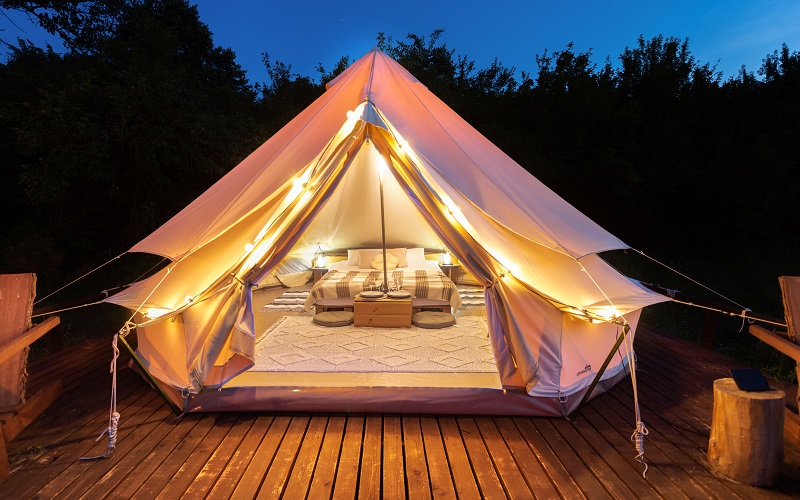
Secluded backyard glamping on the deck at night
3. Safety as an Emotional and Financial Asset
Safety used to be a baseline expectation. Now it’s an active value driver.
Homes that signal safety—well-lit exteriors, visible smart security systems, clear sightlines, adequate buffer zones from roadways—tend to sell faster, and with greater buyer confidence.

This isn’t just about crime statistics; it’s about perception. Buyers want to feel secure pulling into the driveway at night and confident leaving for a weekend away.

Automatic gray metal sliding gate for private residence
In many markets, relatively inexpensive upgrades like smart cameras, motion lighting, and secure entry systems create a sense of modern stewardship. They reassure buyers that the home has been cared for and thoughtfully updated—even if the kitchen cabinets may still be dated.

Outdoor security camera overlooking garden patio area
4. Nature, Light, and the Biophilic Advantage
Humans are wired to respond to nature, and housing markets are increasingly reflecting this reality.

Digital rendering of an idyllic sun-drenched biophilic home office with views
Homes with strong natural light, greenery, and outdoor connection consistently outperform those without. This includes proximity to parks and trails, but also on-site features like mature trees, gardens, and views of vegetation from primary living spaces.

Blue French doors with patio view
Biophilic design—integrating natural elements into daily environments—has been linked to improved mood, focus, and overall well-being. Though buyers may not use that language, they feel it instantly when they walk into a bright room overlooking trees instead of a fence.

Close up view of a loaded plum tree
Even small touches matter. Fruit trees, native plantings, bird activity, water features, and gentle sounds like wind chimes subtly elevate the experience of a home. These elements rarely cost much, but they linger in memory long after a showing ends.
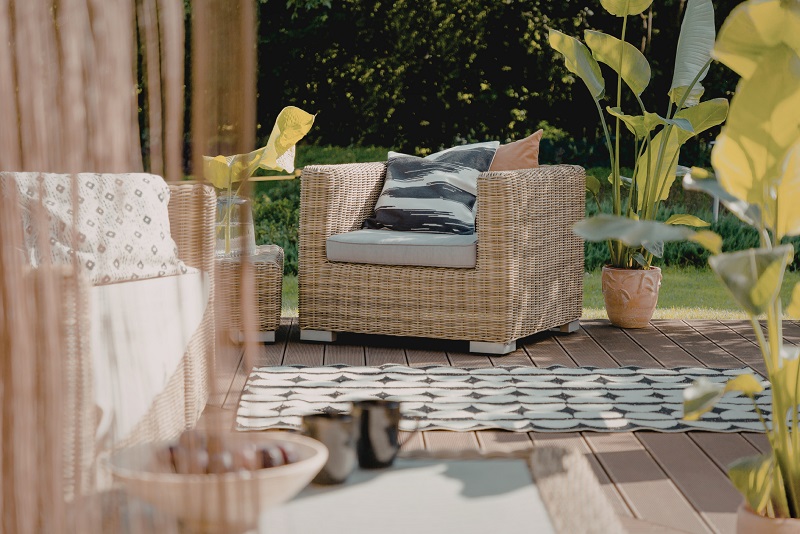
Easily accessible, cozy patio chair with biophilic outdoor décor
Also see:
5. Lot Quality Over Lot Size
While larger lots often command premiums, what matters more is usability.

Aerial view of private backyard with small pool
A modest lot with good shape, privacy, and orientation can feel more valuable than a larger, more awkward parcel.

Private stone patio with water fountain in small backyard courtyard
Flat areas for seating, gardening, or future expansion matter more than raw square footage. So does zoning flexibility, which can quietly add long-term options.
Overgrown or neglected yards often hide this potential.
Buyers willing to look past appearances frequently uncover properties where simple landscaping transforms both function and value.
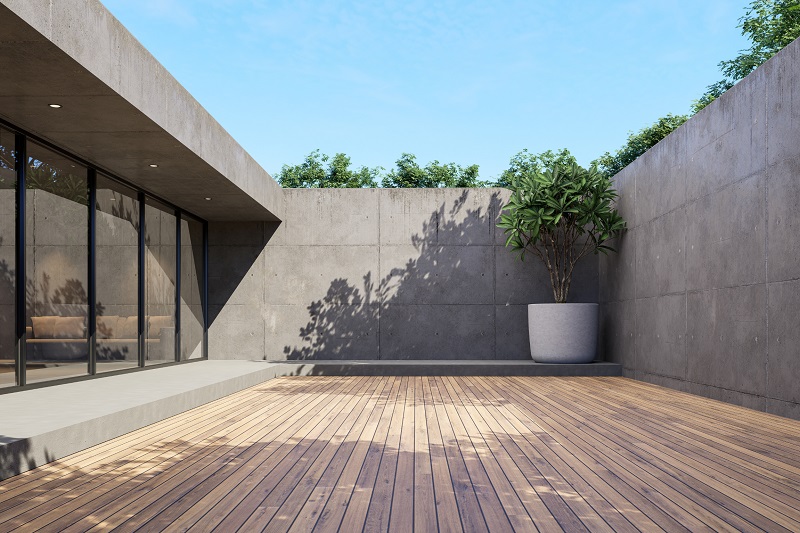
Digital rendering of a “blank slate” small backyard patio area that can be transformed into a private sanctuary with the right design and features
Also see:
How to Find Hidden Gems in Your Current Home
Many homeowners underestimate what they have because they’ve grown used to it—or never explored its full potential.

Sometimes a simple outdoor chair can change how a space feels
Start by paying attention to how your home behaves throughout the day. Where does light enter in the morning? Which spaces feel calmest in the evening? Are there windows you rarely use that might frame something special with a little adjustment?
Walk your property slowly. Stand where a buyer might stand. Look for sightlines that could be opened, corners that could become retreats, or underused areas that could becoming calming retreat with minimal effort.
Digital tools help too.
Satellite imagery, sun path apps, and even neighborhood noise maps can reveal advantages you hadn’t consciously noticed.
How Smart Buyers Spot Diamonds Others Miss
The best opportunities often look unimpressive at first glance.
Homes with dated interiors, tired landscaping, or awkward staging can hide exceptional fundamentals:
- Insulation from Noise
- Good Orientation
- Privacy
- Natural Assets
Because many buyers focus on surface-level aesthetics, these properties face less competition—and offer more upside.
Smart buyers visit at different times of day, talk to neighbors, and think like appraisers.
They ask:
What can’t be changed easily?
Location, noise, light, and land almost always matter more than finishes.
Professionals who guide clients toward these questions add enormous value, especially in a market where mistakes are costly.
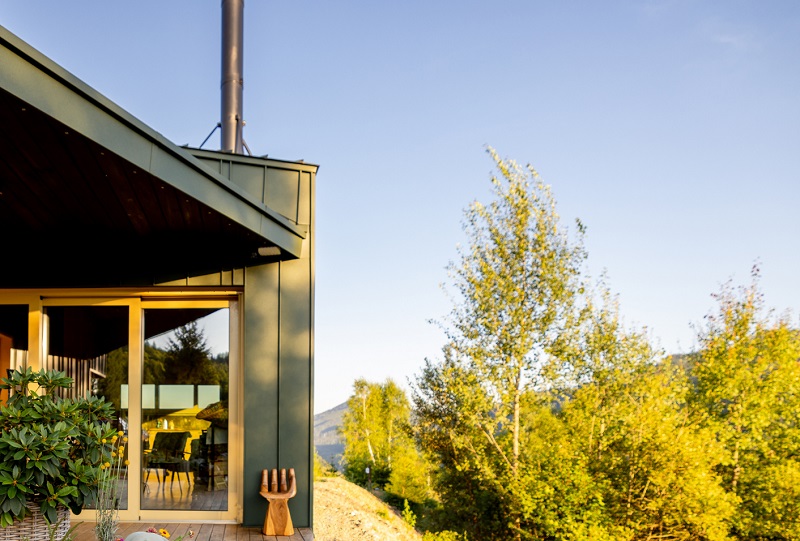
Modern home with secluded mountain views
Also see:
Low-Cost Improvements That Punch Above Their Weight
You don’t need a major remodel to unlock intangible value. Some of the highest-return improvements are simple:
- Pruning trees to reveal light or views
- Adding privacy hedges or screens
- Improving outdoor lighting and security
- Creating seating areas oriented toward solitude or nature
- Planting trees or native landscaping
These changes often improve quality of life immediately while also strengthening resale appeal. In many cases, they outperform flashy interior upgrades on a cost-to-benefit basis.

Backyard of a hidden country house that could use pruning
An Invisible Upgrade: Digital Twins and the Rise of the Documented Home
Not every hidden gem is something you can see out the window.
Some of the most powerful value drivers in 2026 live inside a folder—be it paper or digital.
Or more accurately—an online platform.
As buyers become more cautious and financially stretched, one quiet differentiator is emerging: the digitally documented home. Emerging home construction and management platforms, such as Digs, are capturing converts around the easy-to-understand value proposition of “Carfax for Houses.” A property with organized records—maintenance logs, warranties, permits, manuals, contractor details, renovation timelines, appliance specs—instantly feels different from one without them.
The core message of these integrated, visual documentation platforms—AKA Digital Twins—is simple, but powerful: homeowners who actively manage their home’s information take better care of their homes. And homes that are well cared for are more valuable.
Thorough documentation isn’t flashy and can’t compete with beautiful listing photos. But it absolutely will change how a prospective buyer feels during due diligence.
Why Documentation Creates a Real Premium
When buyers walk into a home, they’re pondering one silent question:
“What am I not seeing?”
A digital twin reduces that anxiety.
Instead of guessing about the age of the roof or wondering when the HVAC was last serviced, buyers can review clear records. Instead of scrambling for appliance manuals or warranty information, it’s organized and accessible.
A well-documented home accomplishes three powerful things:
- It lowers perceived risk.
- It shortens negotiation friction after inspection.
- It signals responsible ownership.
Even if an appraiser doesn’t assign a direct dollar figure to “documentation,” the market consistently reacts to reduced uncertainty positively.
Buyers discount homes that feel risky, but compete for homes that feel transparent.
In a market defined by tighter budgets and longer decision cycles, confidence has monetary value.
The Rising Emotional Importance of Stewardship
There’s also something deeper happening. A well-documented home feels stewarded, not just owned. That subtle distinction matters. A steward maintains systems. They track service dates. They keep warranties organized. They understand the property’s history and can pass that knowledge forward.
Buyers don’t just inherit walls and fixtures—they inherit history and knowledge.
In turn, the transfer of knowledge and history creates peace of mind. And peace of mind is one of the central themes shaping housing decisions in 2026.
What Belongs in a Home’s Digital Twin?
For homeowners, building this invisible asset is surprisingly straightforward. Start with:
- Roof, HVAC, plumbing, and electrical service records
- Appliance manuals and serial numbers
- Remodel permits and contractor invoices
- Paint colors, flooring brands, and material details
- Warranty documentation (appliances, systems, structural)
- Insurance claim history
- Utility usage summaries
- Photos of walls before drywall (for future reference)
- Short walkthrough videos explaining systems
This isn’t just resale preparation. It improves everyday ownership. Need to replace a filter? Match a paint color? Call the contractor who installed the deck? It’s all there.
The act of documenting often improves maintenance itself—which compounds value over time.
Why Documentation Matters to Professionals
For real estate agents, builders, and contractors, digital twins represent a strategic opportunity.
- Agents can position documented homes as lower-risk, premium inventory.
- Builders can deliver a structured digital file at closing, elevating perceived quality.
- Contractors can provide organized documentation that increases client loyalty and resale strength.
In competitive markets where cosmetic differences blur together, documentation becomes a differentiator. It’s subtle, but powerful.
Conclusion: In 2026, the Most Valuable Homes Feel Certain
The features commanding premiums in 2026 aren’t necessarily the flashiest or the newest.
They’re the ones that reduce friction in daily life:
- Views that provide an emotional lift
- Privacy that reduces stress
- Natural settings that improve well-being
- Safety that builds reassurance
- Documentation that eliminates uncertainty
These aren’t cosmetic upgrades. They’re emotional stabilizers. They all help answer the same core buyer desire:
“Will this home make my life calmer, happier, and more secure?”
In a housing market defined by tighter budgets and slower appreciation, buyers are less willing to gamble. They’re looking for homes that feel steady, well-designed, and well-cared for. That’s why intangible features—privacy, light, nature, safety, documentation—have become such powerful differentiators.
For prospective buyers:
the opportunity is learning to see what others overlook.
For current homeowners:
it’s recognizing that some of your most valuable assets may already exist—you just need to unlock and re-organize them.
And for professionals serving homeowners:
it’s about reframing value beyond finishes and square footage, and connecting with the emotional needs of your clients.
In 2026, luxury isn’t just about what impresses at first glance:
- Luxury is confidence.
- Luxury is calm.
- Luxury is knowing what you’re buying—and how to care for it.
The homes that win won’t always be the biggest or the shiniest. They’ll be the ones that make you feel confident. It’s knowing the roof was replaced five years ago. It’s knowing the street stays quiet at night. It’s knowing the backyard will bloom every spring.
And increasingly, the homes that command premiums aren’t the ones that shout the loudest.
They’re the ones that feel certain.
Intangible features don’t always show up neatly in spreadsheets, but they show up powerfully in buyer behavior. They shorten decision cycles, justify higher offers, and create lasting satisfaction for the people who live there.
More Recommended Homebuying Articles
- Researching a Neighborhood Before Buying a Home
- 8 Common Mistakes Made When Budgeting for a New Home
- Secrets to Finding an Undervalued Home for Sale
- Want an Affordable Modern Home? Consider Modular!
- What to Consider When Purchasing an Older or Historic Home
- Adaptive Reuse Homes: A Helpful Guide For Prospective Buyers
- Homebuyer Beware: The Perils of Flipped Homes
- Enjoy Working Remotely? Here’s How to Choose to Live Wherever You Want
- Related Topics: Home Buying | Mortgages | Budgeting | Real Estate
Legal Disclaimer: The information provided in this article and on this website does not, and is not intended to, constitute legal advice; instead, all information, content, and materials available in this article and on this site are for general informational purposes only.
| Purgula is reader-supported. When you click on links to other sites from our website, we may earn affiliate commissions, at no cost to you. If you find our content to be helpful, this is an easy way for you to support our mission. Thanks! Learn more. |