
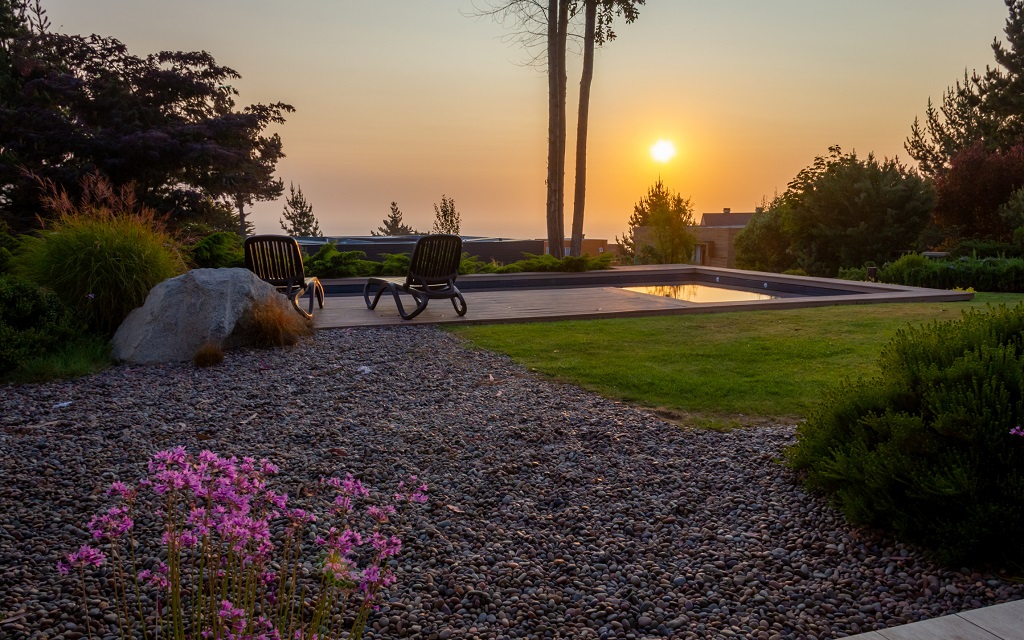
The secret isn’t building a fortress. The goal is to soften exposure while maintaining the natural light, airflow, and sense of movement that make an outdoor space worth using in the first place.
Table of Contents
- Start With the View That Changes the Space
- Let Planting Carry the Mood
- Add Structure Where Plants Need Support
- Keep the Yard Easy to Use
- Let the Details Feel Connected
- Before You Build: Check the Rules
- Give the Yard Room to Breathe
Also see:
Start With the View That Changes the Space
Privacy works best when your plan targets the specific view affecting your daily life. A dining area might need robust cover on just one side, while the rest of the yard feels perfectly fine left open.
This focused approach keeps the landscape from looking heavy or claustrophobic. Instead of erecting a massive perimeter barrier, you might only need a single planted edge or a strategic screen placed close to your main activity area. By addressing only the problem areas, your yard gains immediate comfort without losing its expansive environment.
Let Planting Carry the Mood
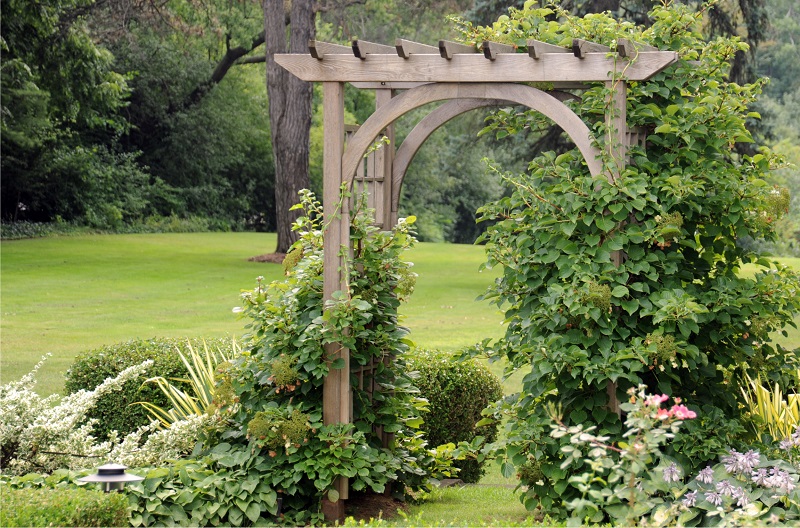
Plants offer a gentler, more inviting transition than a solid wooden fence. Designing your privacy bed to match your yard’s sunlight levels and selecting plants with a manageable growth rate ensures the area remains calm rather than overcrowded.

Tall grasses in backyard with wild canyon view
Beyond aesthetics, living screens are fundamentally good for you. Research published in the International Journal of Environmental Research and Public Health links regular exposure to green spaces with positive mental health and well-being outcomes. Choosing plants over static walls gives your privacy strategy added value, turning a vulnerable yard into a restorative sanctuary.
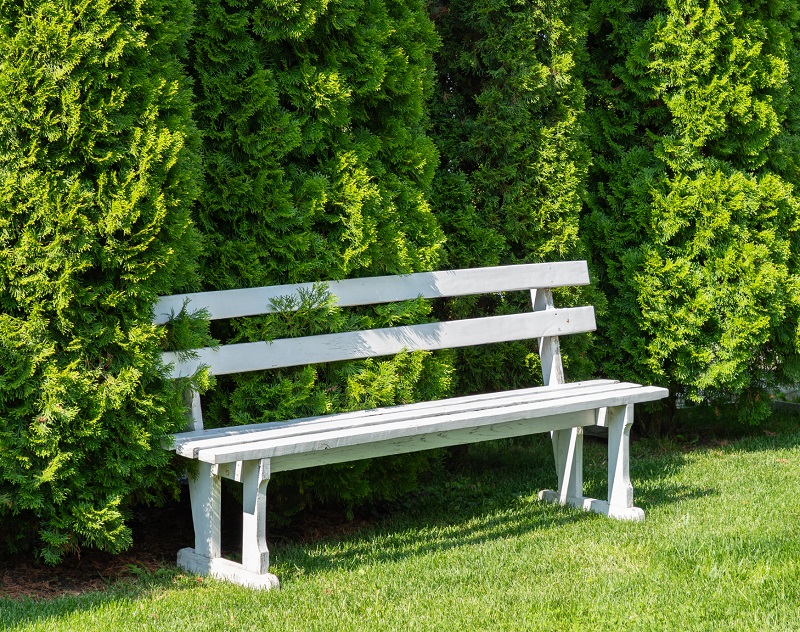
White bench in peaceful garden with privacy evergreens
To target specific privacy challenges, consider these tailored options:
- Vertical Accents (Columnar Trees): If you need to block a direct sightline from a neighbor’s second-story window without devouring ground space, use narrow pillars like Sky Rocket Juniper, ‘Emerald Green’ Arborvitae, or Italian Cypress.
- Airy Screens (Ornamental Grasses): To soften a shared edge while seated, Feather Reed Grass (‘Karl Foerster’) or Maiden Grass provide shoulder-height privacy by mid-summer while still letting a breeze pass through.
- Vertical Climbers (Vines for Trellises): Partner structures with Star Jasmine for thick, fragrant, evergreen coverage, or Clematis for vibrant seasonal blooms that won’t overwhelm lighter frames.
- Layered Bases (Mid-Sized Shrubs): Fill low-level gaps and draw the eye inward using textured shrubs like Wax Myrtle or Oakleaf Hydrangea.

Ornamental grasses in backyard
Add Structure Where Plants Need Support
Some yards need a little architectural assistance to make privacy work. A partial screen can protect a dining area without completely cutting off the rest of the lawn, while a trellis creates separation while still letting dappled light filter through.
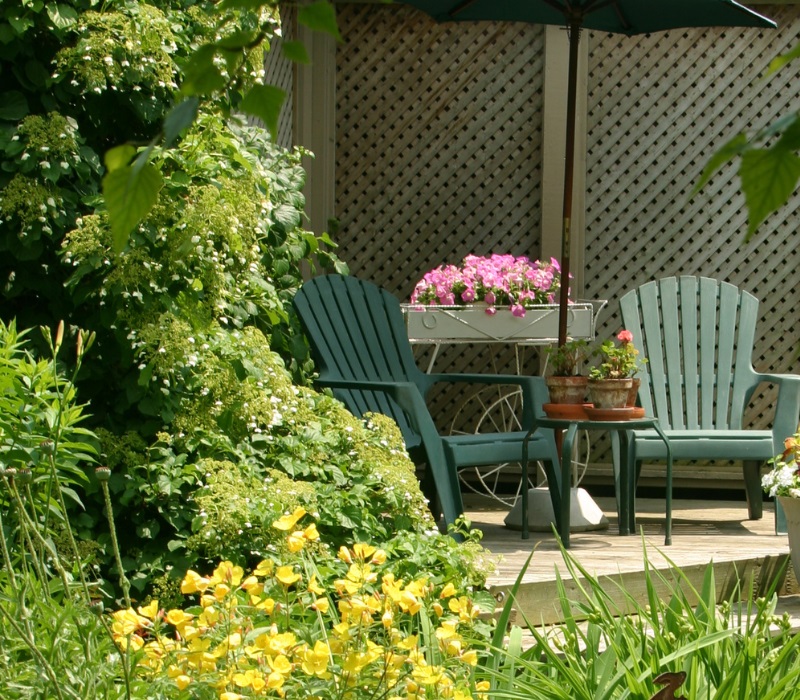
Backyard patio retreat enclosed by wooden trellis screens
Structure should look like a deliberate part of the landscape design, not a panicky fix placed in front of a problem. Consider how different materials shift the mood:
- Wood: Brings organic warmth and pairs perfectly near dining and grilling spaces.
- Metal or Composite Slats: Creates clean, sharp lines ideal for modern patios.
Open slats or laser-cut panels usually feel lighter than solid panels because they filter the view rather than abruptly blocking it. Over time, climbing vines or nearby plantings will help the structure settle naturally into the landscape.
That same sense of balance matters across the whole design. A privacy feature feels more natural when it supports balanced and beautiful landscaping rather than standing apart from the rest of the space.
Keep the Yard Easy to Use
Privacy should make your outdoor living space more relaxing, not harder to navigate. A physical screen that crowds the outdoor table will feel frustrating after the first week, and a rogue shrub that spills onto a walkway will quickly make a small layout feel even smaller.
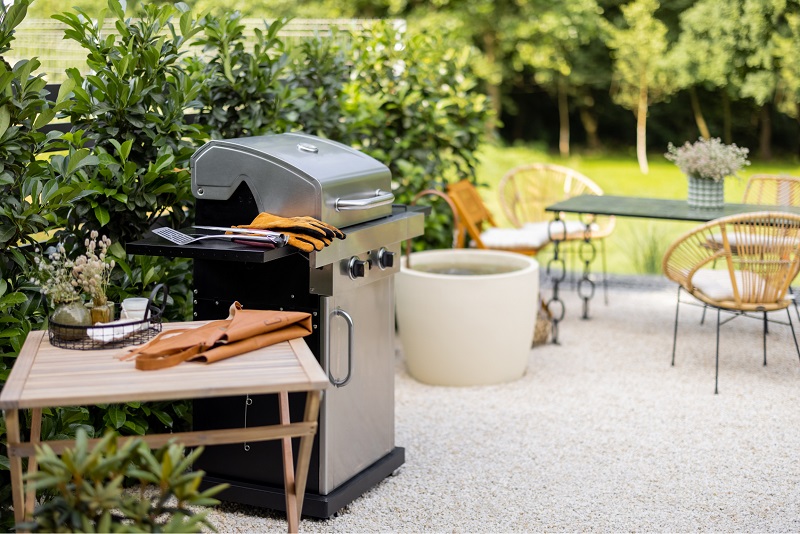
Test your yard before adding privacy:
- Walk the space exactly how you and your guests use it.
- Sit in the chairs where conversations naturally happen.
- Stand by the grill.
- Notice where the sun hits later in the evening.
The right privacy choice should make those specific moments effortless, not confined.
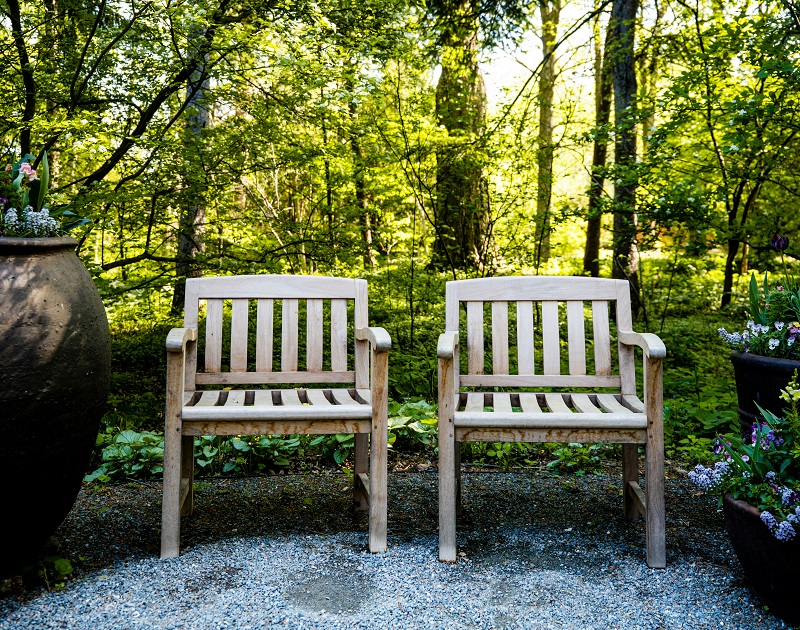
Let the Details Feel Connect the Details
A yard feels more finished when privacy choices match the home’s style. Wood can bring warmth near a dining area. Metal can feel clean beside a modern patio. Planting can soften either material so the outdoor space feels peaceful without feeling closed in.

Before You Build: Check the Rules
Before heading to the nursery or pulling out the post-hole digger, take a brief detour to check local regulations. Even low-profile privacy features can run into unexpected red tape:
- HOA Guidelines: If you belong to a Homeowners Association, they often regulate the height, materials, and placement of screens and structures—even if they aren’t traditional perimeter fences.
- Property Lines and Setbacks: Ensure any permanent structures or trees sit safely within your boundaries. Many municipalities require specific “setbacks” (a mandatory distance from the property line) for structures like trellises or pergolas.
- Utility Lines: If you are planting deep-rooting shrubs or digging holes for screen posts, always call your local utility location service (such as 811 in the U.S.) to verify that you won’t strike underground water, gas, or electric lines.
Give the Yard Room to Breathe
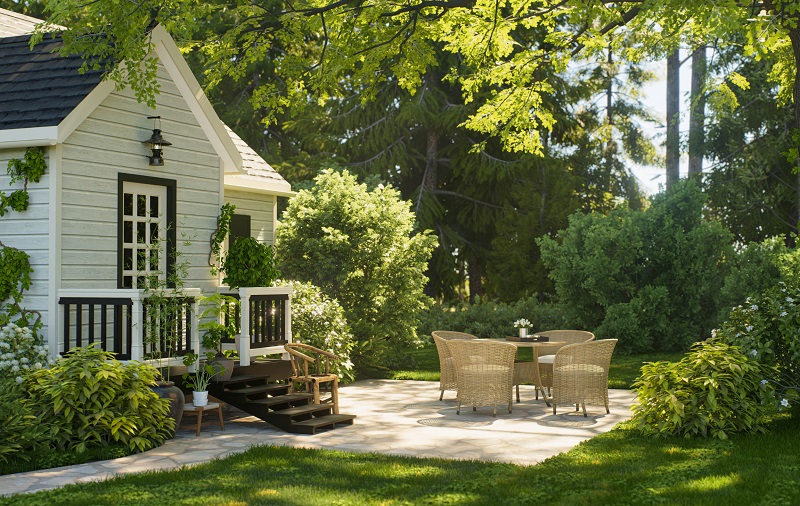
The most effective methods to enhance privacy without shutting off the yard typically involve small, deliberate adjustments. A private yard should evoke a deep sense of calm while remaining open enough to be thoroughly enjoyed. By pairing thoughtful structural accents with targeted, layered plantings, you can transform an exposed plot into a peaceful, connected retreat.
Related Landscaping Articles from Purgula
- 5 Inspiring Landscaping Trends Encountered at FutureScape USA
- 5 Tips for Elevating Your Outdoor Living Space
- The Many Benefits of Sustainable Outdoor Furniture
- How to Create a Beautiful & Peaceful Outdoor Oasis
- Want a Better Outdoor Space? Connect It with Your Indoors
- How to Add Character to Your Home with Outdoor Lighting
- Add Calm to Your Life with a Peaceful Sensory Garden
- Related Topics: Landscaping | Indoor-Outdoor Living | Curb Appeal | Trees
| Purgula is reader-supported. When you click on links to other sites from our website, we may earn affiliate commissions, at no cost to you. If you find our content to be helpful, this is an easy way for you to support our mission. Thanks! Learn more. |