
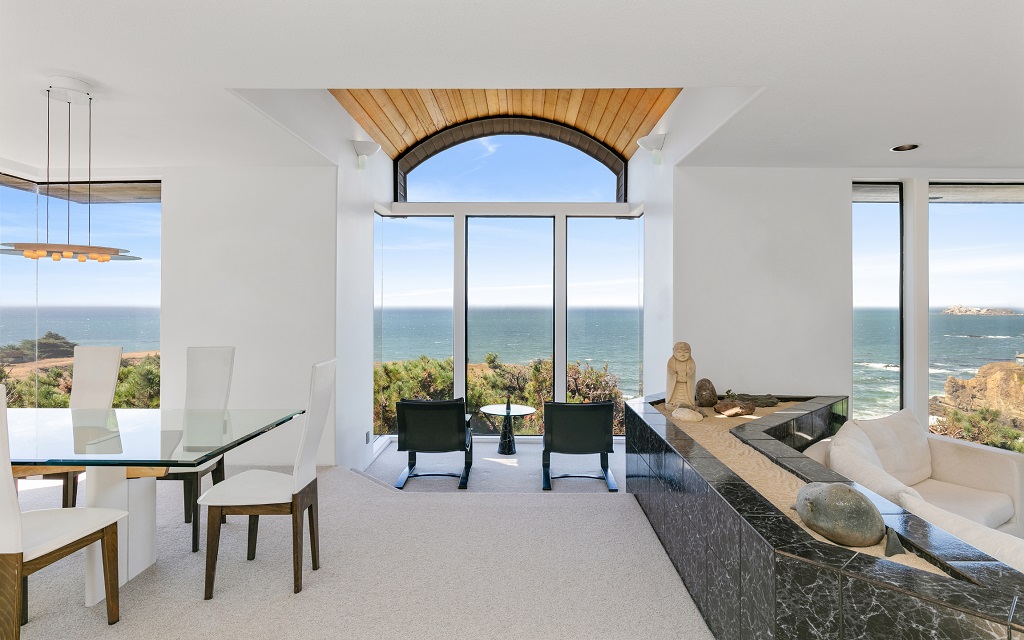
If you own a home on the water, you have one of the best views a homeowner could hope for. However, that same glittering water and low sun angle can be blinding when the sun comes into view.
Glare on a waterfront property is a well-known problem, but we have some solutions you can try to deal with it.
Table of Contents
- Start With the Right Window Treatments
- Consider Exterior Shading Options
- Position Interior Spaces Strategically
- Use Low-E Glass If You’re Replacing Windows
- Say Goodbye to Glare
Also see:
- Smart Waterfront Design: 7 Keys to Maximize Your Property’s Value
- 6 Tips for Selling a Lakefront House Quickly & Effectively
- Erosion Control: How to Protect Your Waterfront Property
- La Cova: A Lakeside Community Where Wellness is the Future of Luxury Living
- More Recommended Real Estate Reading
- Related Topics: Home Buying | Home Selling | Virtual Staging | Pre-Sale Renovations
Start With the Right Window Treatments
Standard curtains and blinds let in too much diffused light and don’t do much about glare specifically. You want window treatments designed for solar control.

Bright morning sunlight shining through thin window shears
Solar Shades
Solar shades are an excellent option if they have a low openness factor (the percentage of the fabric that’s open weave). A 1% or 3% openness factor gives you solid glare reduction while keeping the scenery visible. Though off-the-shelf shades exist, consider the benefits of investing in custom window shades to fully block gaps.
Window Films
Window film is applied directly to the glass, and the global market for this product reached $3.82 billion in 2025, thanks to its effectiveness. Window films reduce the amount of solar energy and visible light that passes through the glass, and they do so without blocking your view. For waterfront properties, you’ll want to look for film with a low visible light transmission (VLT) rating, somewhere in the 30–50% range. The biggest difference between films and shades is that you can’t retract the former.

Waterfront home with large windows with window film
Consider Exterior Shading Options
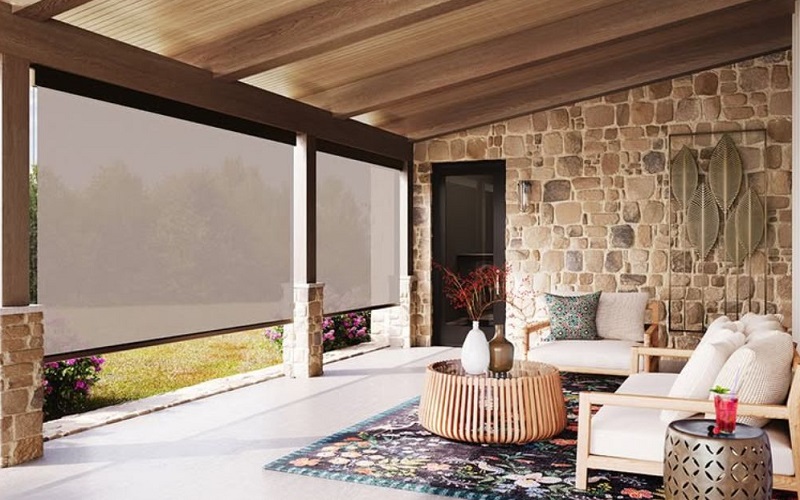
Solar shades drawn in large rustic veranda
Image courtesy of Seattle Shading and Awning
If you’d rather address the problem before light even hits the glass, exterior shading does that. Consider these options, which also help you maximize your waterfront property’s value through smart design:
- retractable awnings for flexible coverage
- fixed overhangs to block the sun at its peak angle
- pergolas with adjustable louvers
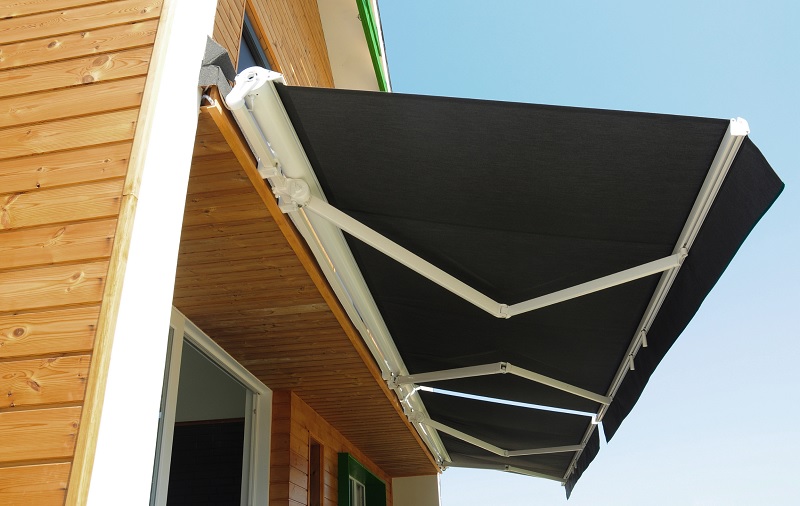
Retractable awning attached to beachfront property
Position Interior Spaces Strategically
Maybe you need to rethink how you use your rooms rather than fighting the light.
If you’re building or remodeling, position areas where you spend the most time on the north side of the house or in rooms that get less direct sun. On waterfront properties, this can feel counterintuitive because everyone wants to be on the view side. But you can still have large windows and great sightlines while avoiding the worst glare by orienting seating away from the primary sun angles. Even something as simple as rotating a sofa 45 degrees can eliminate the direct sun-to-eye line.
Use Low-E Glass If You’re Replacing Windows
If your windows are due for replacement, consider upgrading to low-emissivity (low-E) glass. Low-E coatings reflect a portion of solar radiation while letting visible light through, which reduces both heat gain and glare without darkening the view. It’s more expensive than standard insulated glass up front, but it pays back in lower cooling costs and reduced wear on interior finishes from UV exposure.
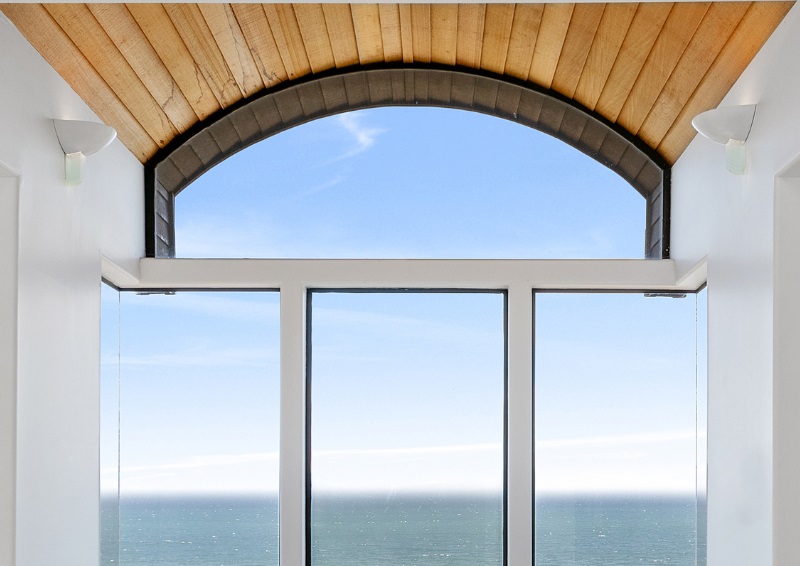
Say Goodbye to Glare
Dealing with glare on a waterfront property is entirely possible. With these tips, you can get more comfort out of the home you already love without sacrificing the views that made you want to be on the water in the first place. The water isn’t going anywhere—and with the right adjustments, neither is your view of it.

More Recommended Real Estate Reading
- Selling Your Home? Here’s What Buyers Want
- 7 Expert Tips on Using Virtual Staging to Sell Your Home Quickly
- 5 Easy Ways to Prepare Your Home to Sell Quickly & At Little Cost
- Why Virtual Tours Are Critical to Both Homebuyers & Homesellers
- The Traits & Risks of Dangerous Trees: Is Your Property Safe?
- Add Calm to Your Life with a Peaceful Sensory Garden
- 4 Ways to Maximize Your Home’s Value
| Purgula is reader-supported. When you click on links to other sites from our website, we may earn affiliate commissions, at no cost to you. If you find our content to be helpful, this is an easy way for you to support our mission. Thanks! Learn more. |