Investors and homebuyers often feel drawn to renovation projects because they see opportunity where others see flaws. However, these properties usually need more than just cosmetic upgrades in today’s market, where aging housing inventory dominates. Before committing significant capital, it’s essential to evaluate structural integrity, environmental safety, long-term costs, and market conditions.
Here are key items to consider before investing in a fixer-upper to reduce financial risk, while increasing the likelihood of building equity efficiently.
Table of Contents
- Assess Structural and System Integrity First
- Identify Environmental, Health, and Safety Hazards
- Understand True Renovation Costs & Budget Realistically
- Prioritize High-ROI Upgrades and Buyer-Desired Features
- Align Renovations with Long-Term Ownership and Maintenance
- Evaluate Market Conditions, Location & Resale Potential
Also see:
- 6 Unique Home Features That Will Boost Resale Value
- How One Innovative Firm is Transforming Home Renovations With AI
- 5 Remodeling Mistakes That Can Decrease Your Home’s Value
- More Recommended Renovations Articles
- Related Topics: Home Buying | Renovations | Pre-Sale Renovations | Home Selling | Rental Income
1. Assess Structural and System Integrity First
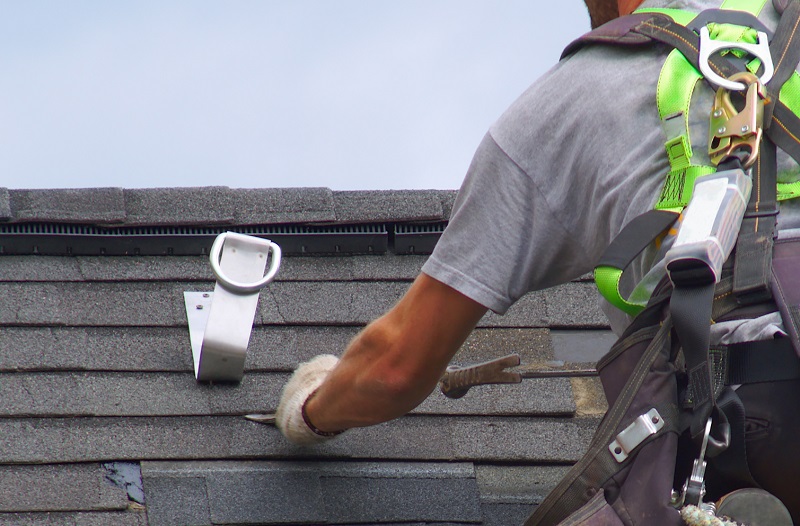
Begin your assessment with the foundation, roof, plumbing, and electrical systems. These structural components are expensive to repair, and costs escalate quickly once contractors open walls or floors. Hiring licensed inspectors to assess load-bearing elements, water damage, outdated wiring, and aging pipes provides critical insight early in the process.
Astute homebuyers prioritize structural soundness when making purchasing decisions, which means that properties with unresolved structural issues will face appraisal challenges and reduced marketability. Identifying major defects before closing will enable you to negotiate more effectively and avoid unexpected overruns that can derail your project.
2. Identify Environmental, Health, and Safety Hazards
Older homes frequently contain materials that no longer meet modern safety standards, which makes environmental assessment essential.
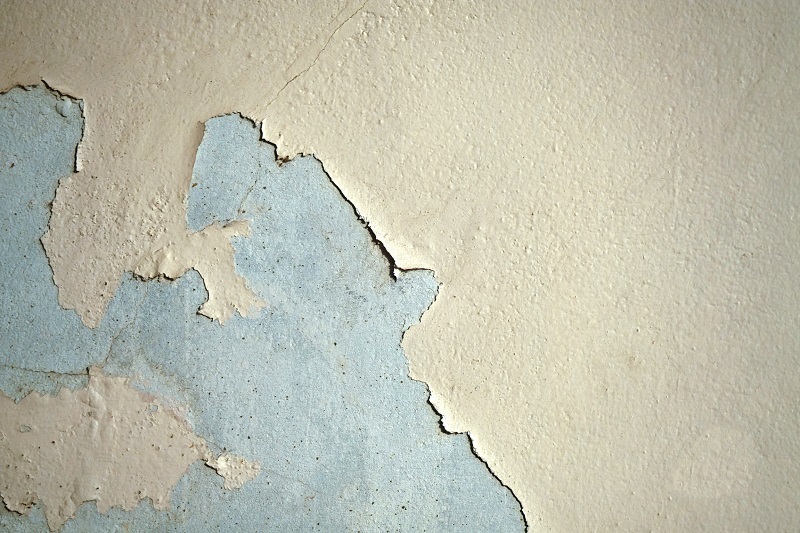
Lead paint, asbestos, mold, and outdated insulation all require careful handling, and attic insulation deserves scrutiny. Many homes built before the 1990s contain vermiculite insulation, which can pose contamination risks if disturbed. Professional evaluation and remediation are essential before demolition begins.
While environmental remediation increases project costs, this investment is important. Skipping proper assessment exposes occupants and contractors to serious health risks that outweigh any short-term savings.
3. Understand True Renovation Costs & Budget Realistically
The purchase price rarely reflects your total investment. You must account for labor, materials, permits, inspections, temporary housing, financing charges, insurance, and contingency funds. Building a detailed scope of work before closing provides clarity, but even the most thorough plans encounter surprises.
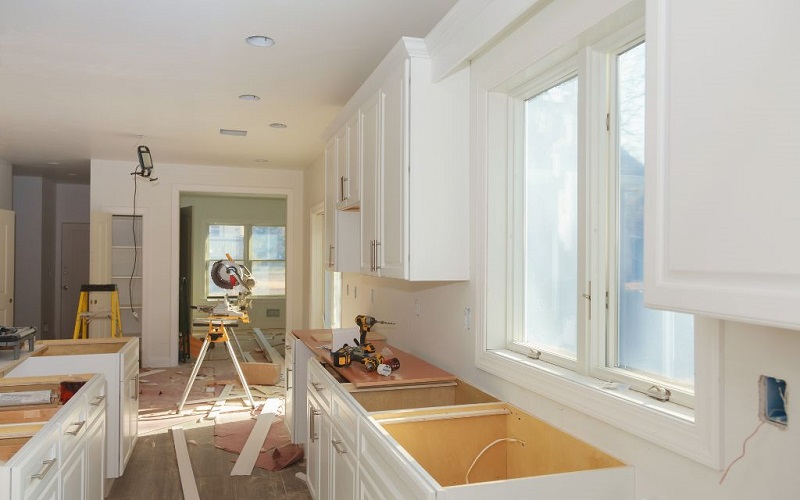
For this reason, adding at least 10 to 20 percent to your projected budget for unforeseen issues is essential. Renovations frequently uncover hidden damage, outdated code compliance problems, or moisture intrusion that couldn’t be detected during initial inspections. Realistic forecasting protects your return on investment and prevents projects from stalling mid-renovation.
4. Prioritize High-ROI Upgrades and Buyer-Desired Features
Focus renovations on features that deliver strong returns and align with what today’s buyers seek. In 2026, homebuyers increasingly favor livable properties over true fixer-uppers, preferring homes that allow gradual updates rather than major overhauls. High-ROI projects emphasize curb appeal, energy efficiency, and functional enhancements that boost marketability without over-improving.
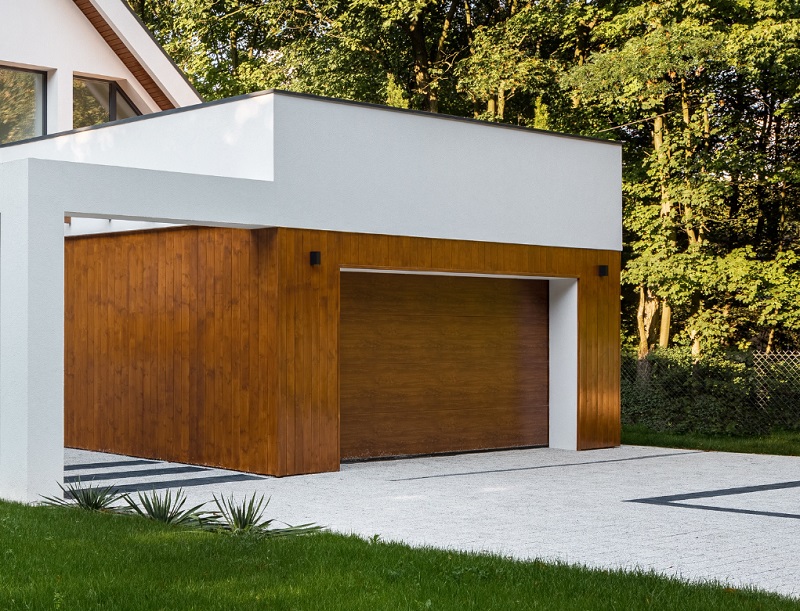
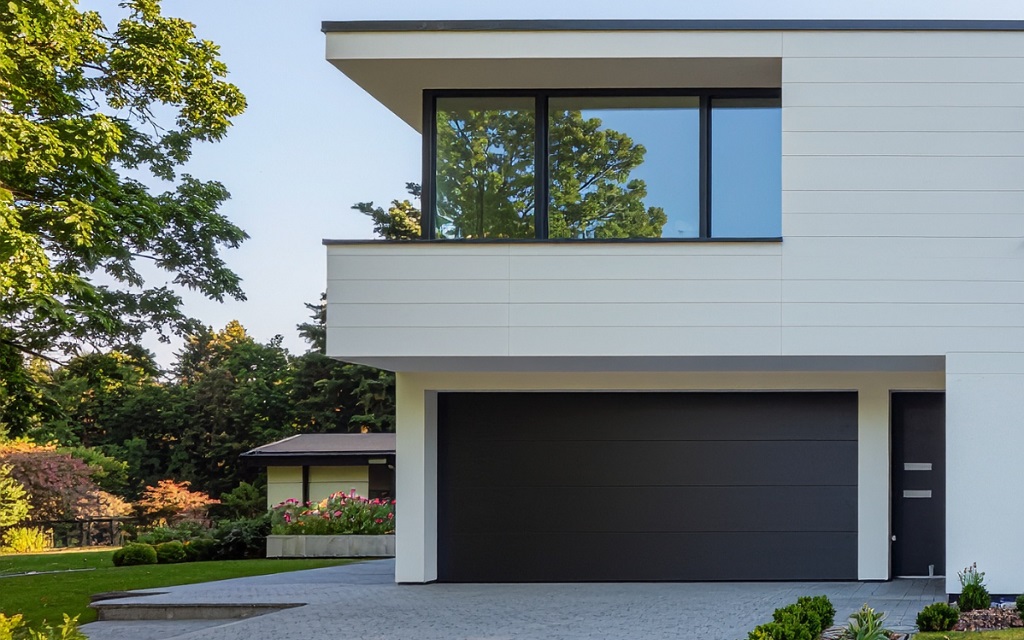
Modern wood cladding around an upgraded wooden garage door and stone driveway for striking curb appeal
According to the 2025 Cost vs. Value Report by Zonda, exterior upgrades lead in resale recovery:
- Garage Door Replacements recoup an average of 268% of costs
- Steel Entry Doors recoup an average of 216% of costs
- Manufactured Stone Veneer recoup an average of 208% of costs
These quick, visible improvements enhance first impressions and help attract more offers.

Bright renovated entrance of a fixer upper home makes a strong first impression
Interior priorities include minor kitchen remodels (recouping an average of 113% of costs), with fresh countertops, hardware, lighting, and energy-efficient appliances proving popular. Bathroom updates and energy-efficient features like heat pumps, LED lighting, or high-performance windows also resonate, as buyers value comfort, lower utility bills, and sustainability.
Outdoor living spaces remain a top trend, with additions like pergolas, landscaping, and patios extending usable space and increasing perceived value—often by creating year-round entertainment areas. These align with buyer demand for wellness-focused, multifunctional homes.
Select upgrades that match local comparables and buyer preferences to maximize appeal and protect your investment. Strategic choices ensure renovations reward both current enjoyment and future resale potential.
5. Align Renovations with Long-Term Ownership and Maintenance
Your short-term renovations should align with your long-term ownership strategy.

Even after completing major upgrades, older homes require consistent upkeep to preserve value and functionality. Developing a structured maintenance schedule protects your improvements and sustains property value over time.
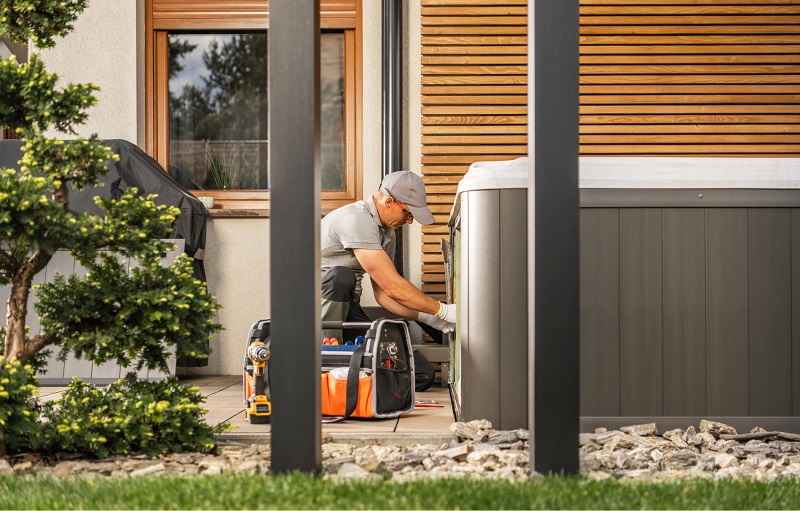
A comprehensive maintenance plan for your home clarifies how routine inspections, seasonal servicing, and preventive repairs reduce costly emergencies. Strategic planning ensures that your renovation investment continues to generate value.
6. Evaluate Market Conditions, Location & Resale Potential
Location, neighborhood trends, and comparable sales all influence profitability.
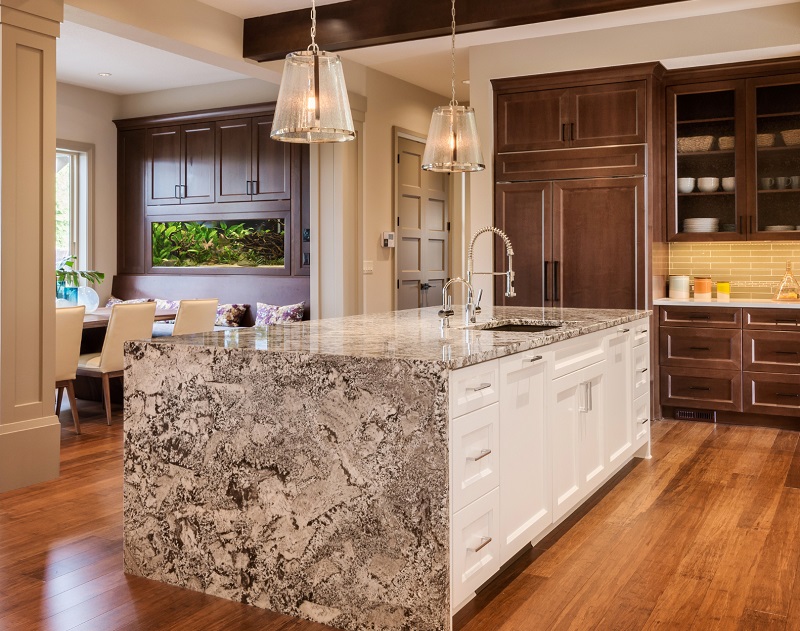
A kitchen remodel should match the needs and expectations of the local market, without over investing
Over-improving a property beyond neighborhood standards limits resale potential, making market research as important as construction quality. Study local demand, school ratings, infrastructure development, and buyer preferences before finalizing renovation plans to ensure your improvements align with what the market will reward.
Careful due diligence is the key to successful property investments. You must consider structural stability, environmental safety, buyer preferemces, and market conditions together when investing in a fixer-upper to enjoy a profitable project.
Recommended Renovations Articles
- 9 Important Renovation Safety Tips Most Homeowners Never Think About
- Renovating to Sell? 4 Popular Features Buyers Will Love
- From Vision to Reality: Turning Ideas into Beautiful Living Spaces
- Tips & Trends for a Stellar Home Upgrade You’ll Love
- 7 Tips on How to Make Your Home Up-to-Date & On-Trend
- How to Plan & Manage a Renovation Successfully
- 5 Tips for Living in Your Home During a Home Remodel
- Need Renovation Inspiration? Try These Innovative Design Resources!
- Related Topics: Home Buying | Renovations | Pre-Sale Renovations | Home Selling | Rental Income
Legal Disclaimer: The information provided in this article and on this website does not, and is not intended to, constitute legal or investment advice; instead, all information, content, and materials available in this article and on this site are for general informational purposes only.
| Purgula is reader-supported. When you click on links to other sites from our website, we may earn affiliate commissions, at no cost to you. If you find our content to be helpful, this is an easy way for you to support our mission. Thanks! Learn more. |