
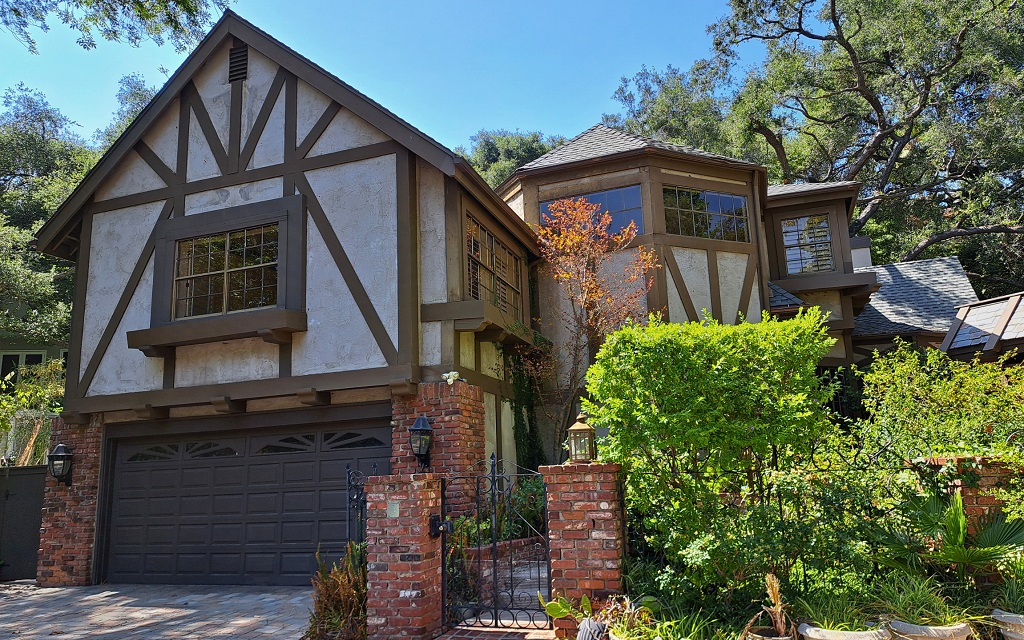
Older homes often offer character and architectural details that newer properties rarely replicate. They can also carry years of hidden repairs and outdated systems. For buyers, a thorough inspection means looking beyond surface charm and understanding how time has affected the property as a whole.
Table of Contents
- Start With the Structure and Foundation
- Review Electrical, Plumbing, and HVAC Systems
- Look Closely for Moisture and Mold Risks
- Evaluate Drainage, Exterior Access, and Site Conditions
- Consider Market Context and Long-Term Ownership
Also see:
Start With the Structure and Foundation
Before focusing on finishes, pay close attention to the foundation and framing. Structural clues should be central to what you inspect before buying an older home. Cracks, sloping floors, sticking doors, or gaps around windows may point to settling or moisture intrusion. Some movements are common, but a qualified inspector or structural engineer should first review the shifting patterns.

A roof inspection is equally important. Ask how well the roof has been maintained over time, including whether past repairs addressed the underlying cause of any damage. Poor roof drainage can allow water to spread through vulnerable areas of the home long before an obvious leak appears.
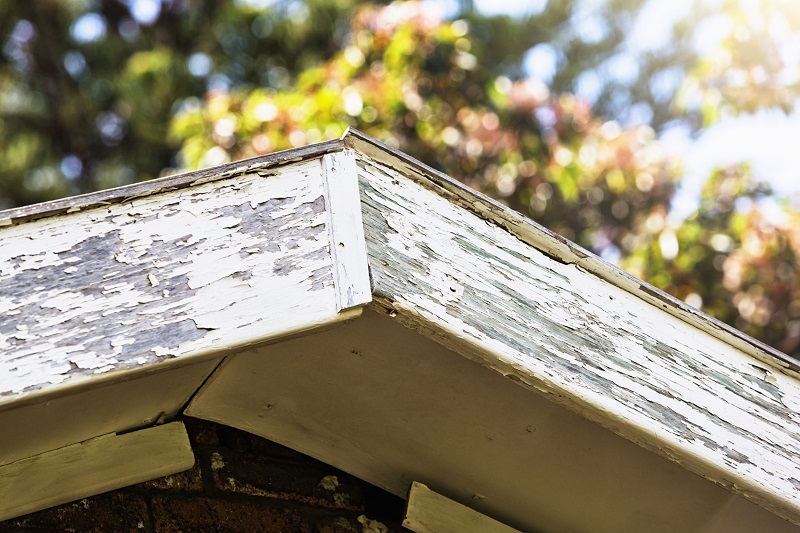
Worn, cracking roof timbers at the corner of barge boards
Review Electrical, Plumbing, and HVAC Systems
Older or historical homes may contain a mix of original and updated systems. Buyers should confirm whether the electrical panel can support modern demands, especially if the home has been expanded or updated for heavier power use. Older electrical components can affect both safety and future renovation plans.
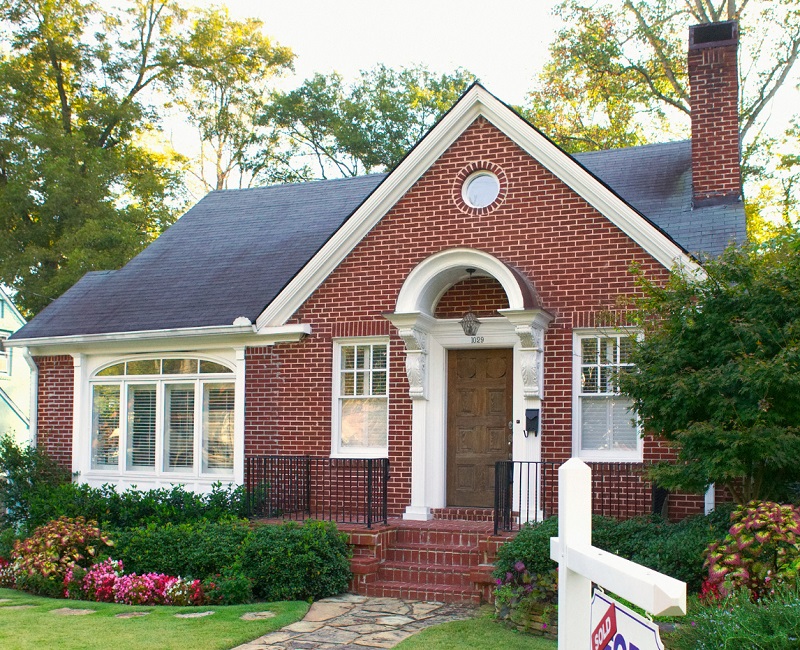
Older plumbing can carry expensive surprises, from restricted water flow to sewer-line problems, so buyers should have its condition reviewed carefully. Buyers should also evaluate HVAC equipment by overall performance and remaining useful life, then factor likely replacement costs into the purchase budget.
Look Closely for Moisture and Mold Risks
Moisture is one of the most important clues in an older home. Evidence of recurring dampness can show up through subtle changes in the home’s appearance or condition, especially when the same warning signs appear in separate areas. The U.S. Environmental Protection Agency notes moisture control is key to preventing mold growth in homes.
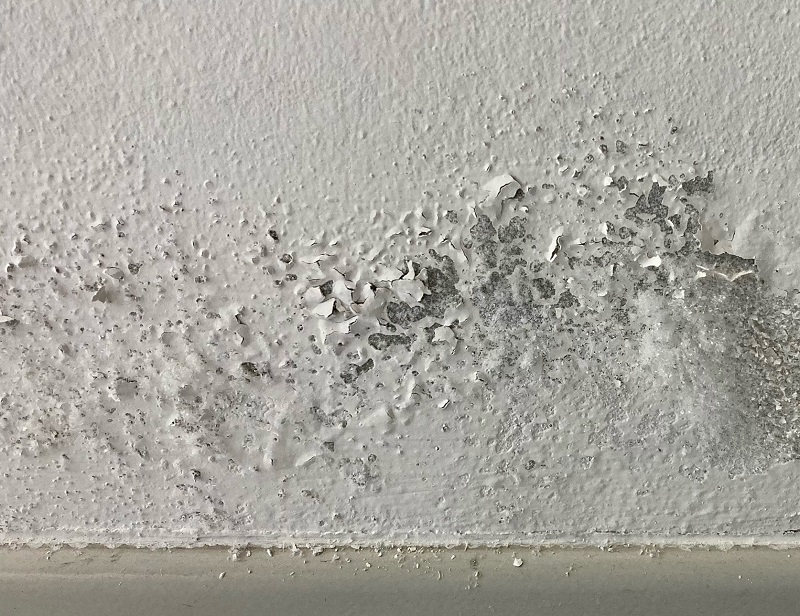
Heavy signs of mold and humidity on drywall
Rather than checking only obvious wet areas, buyers should look for recurring dampness wherever interior materials meet exterior exposure or household water use. Subtle changes in the home’s condition may also be early signs your home needs mold remediation, especially when the source of moisture is not immediately clear.
Evaluate Drainage, Exterior Access, and Site Conditions
The exterior can reveal expensive future projects. Walk the property after rain to see whether water moves away from the home or collects near the foundation.

Rain water pooling near foundation of home
Mature trees may add curb appeal, but their root growth can pose hidden risks to underground lines and surrounding exterior surfaces.

An older midcentury A-Frame home surrounded by mature trees
Older properties may also have exterior utility access points, yard drains, or service covers tied to underground systems. Don’t force open heavy or unfamiliar covers without proper tools and safety precautions. Safely opening and assessing exterior utility access covers beforehand can help inform conversations with all parties involved.

Colorful Victorian row houses with bay windows in an urban setting
Consider Market Context and Long-Term Ownership
It’s important to know what to inspect before buying an older home. For older properties, the purchase price is only one part of the decision; the larger question is how the home’s age may shape ownership after closing. A smart inspection plan turns visible character and hidden concerns into a clearer understanding of whether the property is worth the responsibility and risk that comes with it.
Recommended Home Buying Articles
- 9 Important Renovation Safety Tips Most Homeowners Never Think About
- From Vision to Reality: Turning Ideas into Beautiful Living Spaces
- 7 Tips on How to Make Your Home Up-to-Date & On-Trend
- How to Plan & Manage a Renovation Successfully
- 5 Tips for Living in Your Home During a Home Remodel
- Related Topics: Home Buying | Home Inspections | Renovations | Rental Income
Legal Disclaimer: The information provided in this article and on this website does not, and is not intended to, constitute legal or investment advice; instead, all information, content, and materials available in this article and on this site are for general informational purposes only.
| Purgula is reader-supported. When you click on links to other sites from our website, we may earn affiliate commissions, at no cost to you. If you find our content to be helpful, this is an easy way for you to support our mission. Thanks! Learn more. |