
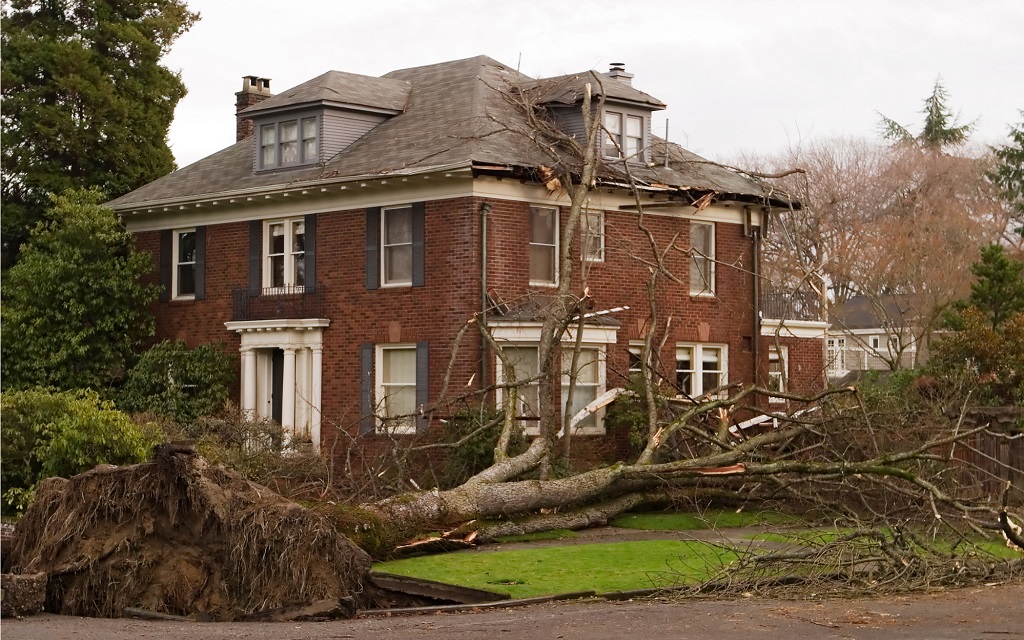
Major storms can leave behind more than fallen branches and standing water. Hurricanes, tropical storms, severe thunderstorms, and other high-wind events can damage several parts of a property, sometimes in ways that are not immediately noticeable.
With severe weather affecting communities across the country, homeowners should know what to look for once a storm passes. Strong winds, heavy rainfall, flooding, and flying debris can affect everything from the roof to backyard structures. According to Climate Central, the United States experienced 23 weather and climate disasters in 2025 that each caused at least $1 billion in damage, resulting in approximately $115 billion in total costs. These figures underscore the financial impact of severe weather and the importance of inspecting your property for damage after a major storm.
Before beginning your inspection, make sure local authorities have deemed the area safe to enter. Stay clear of downed power lines, unstable structures, and standing floodwater, and contact the appropriate utility or emergency services if you encounter hazards.
Once it is safe to assess your home, these areas are a good place to start.
Table of Contents
- The Roof
- Siding and Exterior Walls
- Windows and Exterior Doors
- Trees and Landscaping
- Fences and Gates
- Gutters, Downspouts, and Drainage
- Decks, Sheds, and Other Outdoor Structures
- Document Storm Damage Before Starting Repairs
Also see:
The Roof
Your roof is one of the first areas to inspect after severe weather because it takes the brunt of high winds, rain, hail, and falling debris. You do not necessarily need to climb onto the roof to spot potential problems. In fact, inspecting it from the ground is often the safer choice. Walk around the property and look for missing, lifted, or damaged shingles. You may also notice shingles, flashing, or pieces of roofing material on the ground.
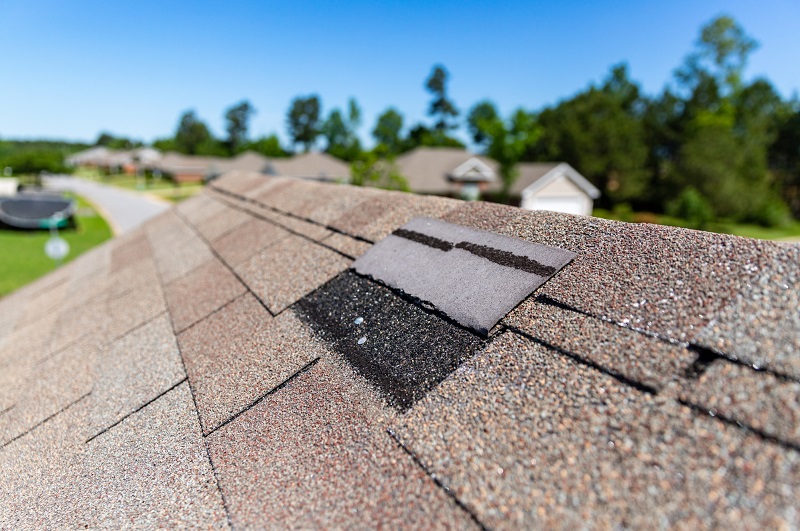
A damaged roof shingle after a storm that can be viewed from a distance with binoculars
Inside the home, check ceilings and upper-level rooms for water stains, damp areas, or active leaks. Even relatively small roof damage can allow water into the home and lead to larger problems if it is left unaddressed.

If you cannot safely see the roof or suspect significant damage, consider having it professionally inspected rather than climbing up yourself.
Also see:
Siding and Exterior Walls
High winds can send branches, outdoor furniture, and other debris into the side of a home. Walk around the exterior and inspect siding, brick, stucco, and other surfaces for signs of damage.
Depending on the material, you may find cracks, dents, holes, loose siding, or sections that have pulled away from the structure. Pay particular attention to corners and areas around doors and windows, where loosened materials may be easier to spot. Damage that appears cosmetic may still expose underlying materials to moisture. Photograph any areas that appear different from their pre-storm condition before making repairs.
Windows and Exterior Doors
Windows and doors are another vulnerable part of a property during high-wind events. Flying debris can crack glass, while wind pressure and shifting materials can affect frames and seals. Check each exterior window for broken or cracked glass as well as damage to screens, shutters, and frames. From inside the home, look for moisture around window frames that may indicate wind-driven rain entered during the storm. Doors should also open, close, and latch normally. A door that suddenly sticks or no longer aligns properly may warrant a closer inspection.
Garage doors deserve attention as well. Because they cover a large opening, damage to individual panels, tracks, or other components may interfere with normal operation. Avoid repeatedly operating a garage door that appears damaged until you know it is safe to use.
Trees and Landscaping
Trees can pose risks both during and after severe weather. High winds may break branches, split trunks, or weaken root systems without knocking a tree completely over.
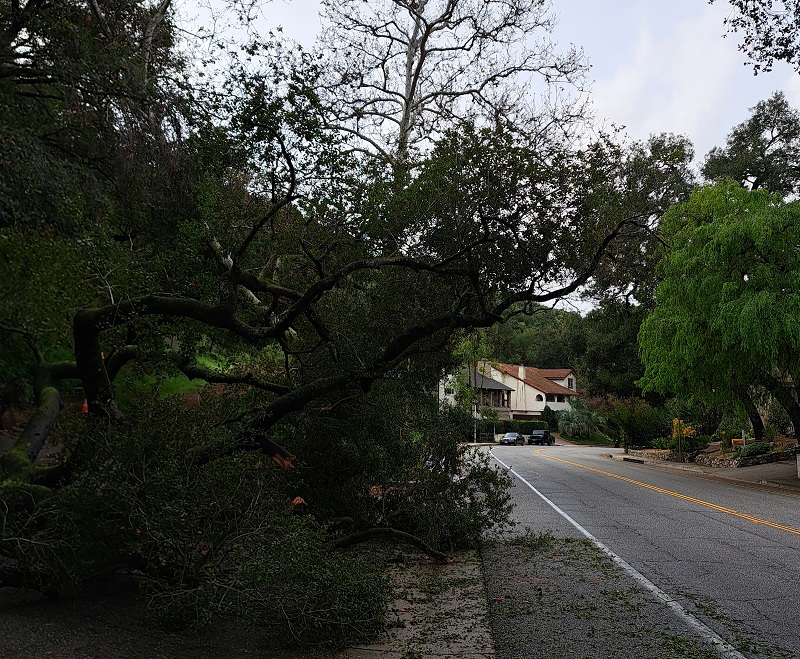
Inspect trees from a safe distance for hanging branches, newly exposed roots, cracks in major limbs, or a noticeable lean that was not present before the storm. Large damaged trees near the home, driveway, power lines, or other structures may require professional attention. Never approach branches or trees that are touching or close to downed electrical lines.
Smaller landscaping can also provide clues about what occurred during the storm. Fallen limbs or scattered debris may have struck other parts of the property, so inspect nearby structures for impact damage.
Also see:
Fences and Gates
Fences can look relatively normal from a distance while still suffering structural damage from wind, saturated soil, or falling debris. Walk the fence line without leaning against damaged or questionable sections. Look for leaning posts, loose panels, cracked boards, bent hardware, or sections that have shifted out of alignment. Test gates cautiously and pay attention to whether they drag, sag, or no longer latch properly. Posts deserve particular attention because they support the surrounding fence. A post that has shifted at the base can affect multiple panels even when those panels do not appear visibly damaged.
If you find a problem, avoid assuming that the entire fence needs to be replaced. The appropriate fix will depend on the affected components, fence material, and extent of the damage. Homeowners can learn more about dealing with fence damage after severe weather, including how to safely assess posts, gates, panels, and other affected components.
If you’re unsure whether a damaged fence can be repaired or needs replacement, learn more about assessing posts, gates, panels, and other components after severe weather.
Gutters, Downspouts, and Drainage
Heavy rainfall can overwhelm drainage systems, while wind and debris can damage gutters and downspouts. Check gutters for sections that are loose, bent, sagging, or pulling away from the house. Look for downspouts that have become disconnected or clogged with leaves and debris. Next, check where water collected around your property. Standing water near the foundation may indicate that gutters, downspouts, or grading are not directing stormwater away effectively.
If the storm caused flooding, use additional caution. Floodwater can hide sharp debris, electrical hazards, chemicals, and other dangers. Avoid walking or driving through flooded areas simply to inspect damage.
Decks, Sheds, and Other Outdoor Structures
Do not overlook structures beyond the main house. Decks, sheds, pergolas, playsets, detached garages, and other outdoor features can all sustain storm damage.
Check for loose railings, shifted supports, missing roofing materials, broken boards, or signs that a structure has moved. If a shed or other structure is visibly leaning, do not enter it until you are confident that it is stable.
Outdoor equipment and furniture can also become projectiles during high winds. Look around the property for displaced items, but avoid moving heavy debris or objects tangled with damaged structures unless it is safe to do so. In addition to addressing existing damage, homeowners can take proactive steps toward future-proofing their homes against regional weather risks to help minimize damage from future storms.
Document Storm Damage Before Starting Repairs
After completing your initial inspection, document the damage you find. Take wide-angle photographs that show where the damage occurred, followed by closer images that clearly capture affected materials or components. Keeping a written list can also help you organize repairs and determine which problems require immediate attention.
- Contact your insurance company, if applicable: If you believe the damage may be covered by your homeowners insurance, contact your provider to understand the next steps and any documentation they may need.
- Keep records of repairs and expenses: Save estimates, receipts, and any correspondence related to storm damage. These records can help you keep track of the work being done and provide useful documentation if you file a claim.
- Don’t rush into permanent repairs: Address immediate safety concerns and take reasonable steps to prevent further damage, but document the affected areas before making permanent repairs. For significant damage, consider having a qualified professional assess the property.
Taking the time to inspect and document your property after a major storm can help you identify problems early, prioritize repairs, and better protect your home from further damage.

Related Articles
- Best Roof Types to Prevent Storm Damage
- Energy Storage Systems for the Home: Solar and More
- Redefining Luxury: Resilience, Legacy, and the Future of the Modern Home
- Firescaping: How to Protect Your Home with Fire Resistant Landscapes
- If You Own a Fireplace, You Need to Read This
- Related Topics: Resilience | Home Safety | Construction | Roofing | Maintenance
| Purgula is reader-supported. When you click on links to other sites from our website, we may earn affiliate commissions, at no cost to you. If you find our content to be helpful, this is an easy way for you to support our mission. Thanks! Learn more. |