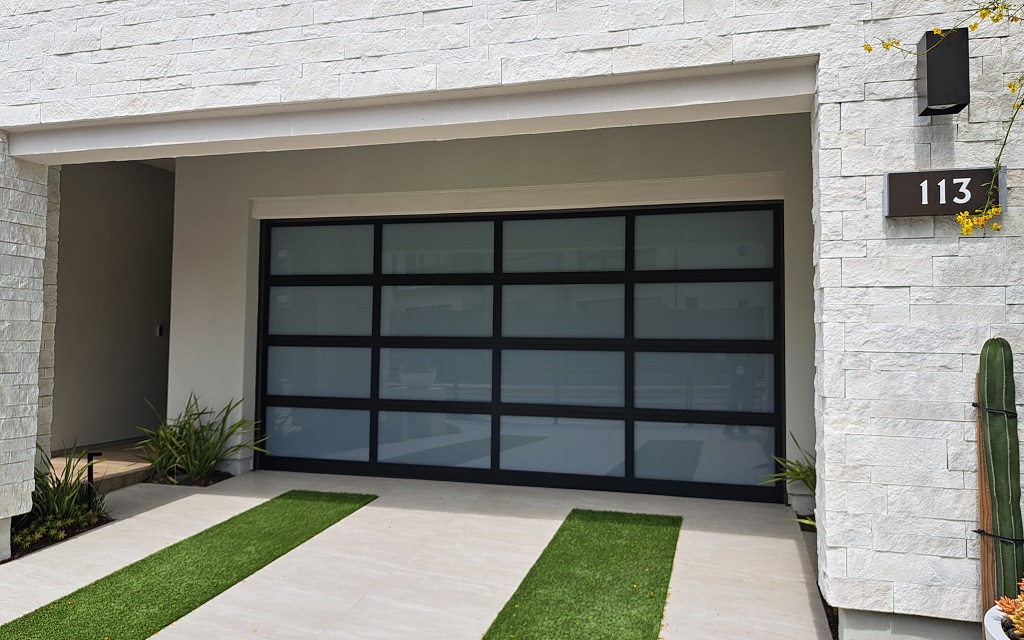
A garage door functions as a primary architectural signature, telegraphing the structural health of a home long before a visitor approaches the entryway. While a faded panel or a grinding chain-drive opener may seem like isolated inconveniences, these minor liabilities collectively project a narrative of deferred maintenance to appraisers and buyers alike.
Homeowners weighing whether a garage door upgrade is worth the investment should look beyond appearance alone. The strongest case usually arises when the current door impairs daily functioning and weakens the home’s curb appeal.
Table of Contents
- Start with How the Door Behaves
- Analyzing ROI and Resale Market Performance
- Connect the Upgrade to Buyer Perception
- Connect Aesthetics with Performance & Space
- Questions to Ask: Repair vs. Replace
- Choose a Door for Architectural Integration
Also see:
Start With How the Door Behaves
While aesthetics are a major component of property value, mechanical performance dictates real-world utility. A garage door system that jerks, sticks, or rattles signifies systemic component fatigue. Rather than entering a cycle of compounding repair costs on aged torsion springs or tracks, a full replacement often emerges as the more fiscally responsible alternative to endless tactical fixes.
Analyzing ROI and Resale Market Performance
Garage door replacement continues to perform well in remodeling value research. Data from the Zonda Cost vs. Value Report consistently ranks garage door replacements at the top of national remodeling projects, frequently netting an exceptional cost recoup at resale. This ROI benchmark does not imply that every functional door requires pre-sale replacement. Instead, it proves that when an existing door suffers from visible wear or outdated mechanics, an upgrade is one of the most efficient ways to eliminate buyer objections before they tour the interior.
Connect the Upgrade to Buyer Perception
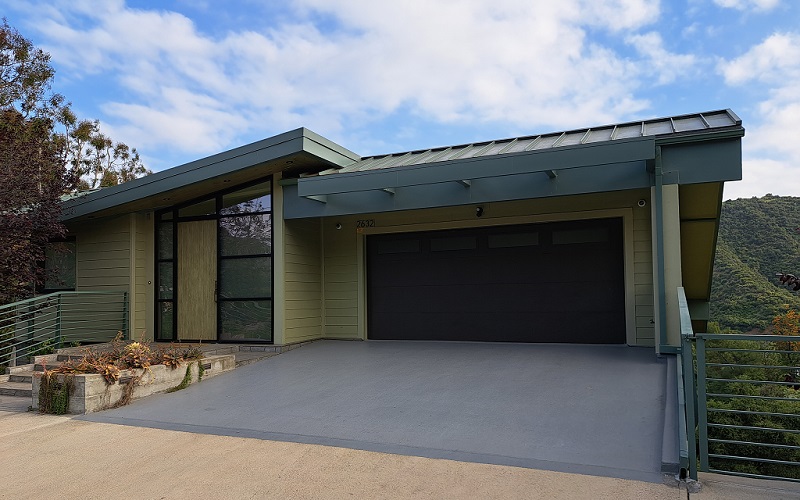
A garage door influences the front view long before a buyer studies the details. On homes with attached garages, it can set the tone for the whole exterior.
This same valuation logic proves critical during the due diligence phase of a fixer-upper, where visible exterior updates allow prospective buyers to instantly verify a property’s baseline upkeep. An architecturally cohesive, modern garage door establishes an immediate baseline of proactive maintenance without creating an over-improved or visually jarring contrast with the rest of the facade.
Connect Aesthetics with Performance & Space
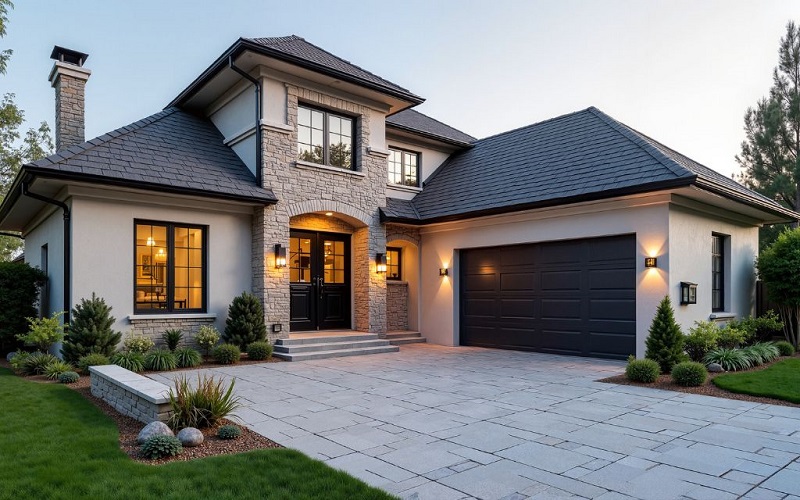
Appearance alone shouldn’t drive the decision to upgrade. A wise choice occurs at the intersection of architecture, engineering, and spatial optimization. Upgrading an outdated facade provides the perfect opportunity to simultaneously introduce modern thermal insulation (high R-value ratings) and acoustic dampening, transforming a cold, noisy garage into an integrated, energy-efficient extension of the living space.
Furthermore, modern replacement options allow homeowners to fundamentally redefine how the garage functions. Transitioning to advanced space-saving engineering—such as Clopay’s vertical-stacking garage doors—eliminates traditional overhead ceiling tracks entirely. When paired with high-performance, wall-mounted jackshaft openers rather than bulky, center-mounted ceiling tracks, homeowners can reclaim valuable overhead clearance for car lifts, overhead storage racks, or high-clearance utility vehicles.
A homeowner might first notice how a new garage door creates curb appeal, but the investment will make even more sense when the new layout simultaneously improves sealing, reduces noise, maximizes usable space, and supports smoother daily usage.
Questions to Ask: Repair vs. Replace
Here are several questions that will help you make the right decision for your situation.
Mechanical Integrity & Safety:
- Does the door require frequent repairs or manual assistance to open smoothly?
- Are vital safety components, like the auto-reverse sensors or torsion springs, showing signs of severe wear or failing altogether?
Energy Efficiency & Insulation:
- Is the garage an energy sink, leaking climate-controlled air due to failing weather stripping or a low R-value rating?
Smart Integration & Spatial Technology:
- Is the opener incompatible with modern smart-home ecosystems or lacking secure, rolling-code security technology?
- Is a traditional trolley system wasting valuable vertical ceiling space that could be reclaimed by a wall-mounted smart opener?
- Could your floor plan benefit from a specialized vertical footprint, such as a Clopay stackable system, to clear up overhead obstructions?
Aesthetic & Structural Alignment:
- Does the exterior facade suffer because the current panels look visibly dated, warped, or mismatched against the home’s architecture?
Operational Sound:
- Does the operational noise level disrupt adjacent living spaces or echo heavily throughout the neighborhood?
Checking two or more of these boxes indicates that, in general, a full replacement will yield a much higher return on investment than continued piecemeal repairs.
Choose a Door for Architectural Integration
A successful garage door replacement respects the existing architecture rather than competing with it. By aligning material selections, window configurations, and color palettes with the home’s primary structure, the upgrade transitions from a mere cosmetic expense into a calculated asset optimization strategy—delivering daily operational reliability alongside long-term equity protection.

More Garage & Storage Articles
- 6 Proven Ways to Make Your Garage Fire-Safe
- How to Clean Out Your Basement in 10 Easy Steps
- What Homeowners Should Know About Home Insulation
- Related Topics: Garage | Curb Appeal | Pre-Sale Renovations | Decluttering | Storage
| Purgula is reader-supported. When you click on links to other sites from our website, we may earn affiliate commissions, at no cost to you. If you find our content to be helpful, this is an easy way for you to support our mission. Thanks! Learn more. |