

The main image is courtesy of Charles Rose Architects, which features Copperdrifts, a residence in Provincetown, Massachusetts, situated next to Cape Cod National Seashore. The salty winds on the Cape are harsh and corrode most materials, but help strengthen the flat-lock copper panels that clad most of the structures.
Copper is a fascinating and invaluable metal that’s been used by humans for thousands of years. In the modern era, copper continues to stand out as a versatile and distinctive material for use in and around homes, as well as in countless other industries.
While modern materials have emerged, copper continues to be valued for its unique combination of beauty, durability, and multi-faceted functionality. Copper usage in homes began with simple housewares and has evolved into key integrated components of the design and infrastructure of most homes.
The 18th century marked the beginning of copper’s widespread use for gutters and roofs in the U.S. Since the late 19th century, copper’s use has expanded significantly due to its electrical and thermal conductivity properties. In the 21st century, copper continues to be a popular material for a wide range of architectural and design applications, including roofing, gutters, downspouts, facades, landscaping, décor, appliances, and more.
According to the Copper Development Agency (CDA), we are now living in Copper Age 2.0. First, copper use per capita today is an astounding 10 times more than it was 100 years ago! Second, copper is playing an instrumental role within clean energy solutions and other innovative technologies that continue to make advances across the world.
Thanks to copper’s mix of practical, aesthetic, and amazing performance traits it’s no surprise that it continues to serve a wide range of applications within modern and contemporary homes of all types and sizes.
Here’s a rundown of copper’s uniquely impressive qualities that will also serve as enticing reasons to expand its usage in and around your own home.
15 Amazing Traits of Copper
- Timeless Beauty and Warm Aesthetic
- Naturally Antimicrobial
- Excellent Thermal & Electrical Conductivity
- Long-Lasting Durability
- Resistant to Corrosion
- Sustainable with 100% Recyclability
- Easy to Shape and Work With
- Changes Over Time
- Increases the Resale Value of Your Home
- Naturally Fire-Resistant
- Low Maintenance
- Energy Efficient for Heating and Cooling
- Supports Healthy Indoor Air Quality
- Improves Sound Dampening
- Provides EMF Shielding
Also see:
1. Timeless Beauty and Warm Aesthetic
Copper has that unmistakable rich glow — reddish-brown to orange-gold — with a reflective sheen that instantly draws the eye. Its warm tones and flexible texture exude warmth and sophistication, making it a design favorite across varied styles, from rustic farmhouses to sleek, modern homes. It’s a material that never feels out of place or out of style.

Pristine copper surface with circular patterns
What sets copper apart from other metals is its ability to evolve over time, as it has a living finish. When exposed to the air, copper naturally develops a patina — a soft green, brown or blue film that gives it character and a lived-in charm, as well as an anti-corrosive protective layer.
Interior designers especially love using copper for accent pieces. From kitchen backsplashes and range hoods to coffee tables and mirror frames, the material is always able to adapt seamlessly to whatever style is present.

Copper bathroom sink
A polished copper sink, for instance, can be the focal point of a bathroom or kitchen. Even smaller details like drawer pulls, cabinet handles, or light switch covers can elevate the look of any room when made of copper.
Copper can add charm to your gardens and patios, as well. With copper bird baths, lanterns, and weather vanes, copper pieces can bring a timeless, artisanal feel to outdoor living spaces. With every season, copper develops new hues, telling a story as it weathers through the passage of time.
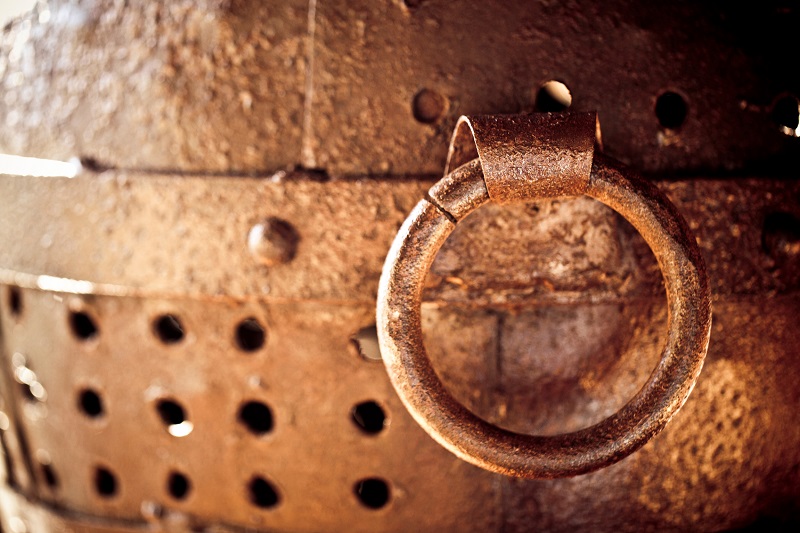
Old copper vessel
With copper, you’re not just decorating — you’re curating. Each item, no matter how small, brings depth, warmth, and a timeless touch to your home.
2. Naturally Antimicrobial
Copper is naturally antimicrobial, an especially important trait in today’s hygiene-conscious world. This means the material kills bacteria, viruses, and fungi on contact — no chemicals or wipes needed. Studies have shown that copper surfaces can kill up to 99.9% of harmful microbes within hours, making it a game-changer for germ-prone areas.
FUN FACT:
- The EPA registered copper as the first solid antimicrobial material in 2008.
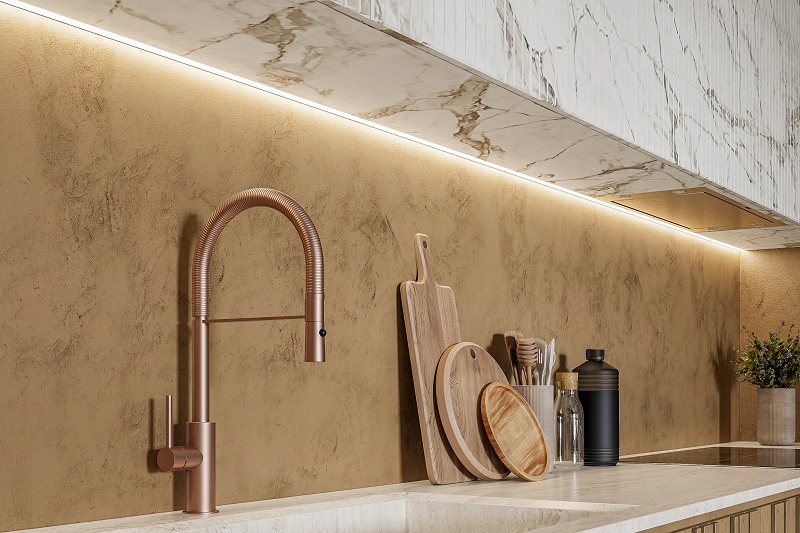
Modern kitchen with a stylish copper faucet
Think of your kitchen — countertops, sink faucets, drawer pulls — all touched constantly. When made of copper, these surfaces stay cleaner longer without needing constant disinfection. In hospitals, copper has been used to reduce infection rates.
Bathrooms also benefit greatly. A copper soap dish or toothbrush holder doesn’t just look stylish — the underlying metal works silently to keep things more sanitary. Even copper toilet flush handles and towel racks serve double duty, as in “style” plus “hygiene”.
3. Excellent Thermal & Electrical Conductivity
Copper is known for having exceptional thermal and electrical conductivity, only surpassed by silver. This means it readily conducts both heat and electricity, making it a valuable material for various applications, which is why it’s widely used in wiring, electronics, and heat exchangers.

Copper wiring displayed as art work
This special property of copper is a result of its tight atomic structure: individual copper atoms are closely bunched together, which allows electrons to pass between adjacent atoms with relative ease.

Copper pot over a gas flame
If you’ve ever cooked with copper pans, you already know one of its best-kept secrets: copper is one of the best conductors of heat on the planet! That means when you’re sautéing vegetables or searing a steak, heat spreads quickly and evenly across the surface — no hot spots or prolonged waiting for the surface temperature to rise sufficiently.
This trait is why many professional chefs still swear by copper cookware. From saucepans to frying pans, the performance is second to none. Food cooks faster and more uniformly, giving you better flavor, texture, and control. Copper cookware also looks stunning hanging from a kitchen rack or gleaming on the stovetop.
Heat benefits don’t stop in the kitchen. Because of its heat conductivity, copper is often used in radiant heating systems beneath floors or inside walls. It allows homes to heat more efficiently and evenly, cutting down on energy costs.
FUN FACTS:
- Copper is known as the “metal of electrification” as it is used across all energy transition applications.
- Over half of the copper produced is used in electrical and electronic applications.
- Only silver — which is far rarer and typically trades at around five times the price of copper —has a higher coefficient of conductivity.
4. Long-Lasting Durability
Copper has proven staying power. While it may seem like a soft metal, it’s incredibly durable under the right conditions — resistant to weather, temperatures changes, and everyday wear and tear.

Ornate copper door decoration on an old door in Cuzco, Peru
That’s why it’s a go-to material for both indoor and outdoor uses in a wide range of climates, including coastal areas with salty air, as well as in areas with extreme temperatures, cold or hot.
Copper roofs, for example, can last over a hundred years with minimal maintenance. They don’t warp, crack, or deteriorate the way some other popular materials do.

Copper gutters on a rural home
When it comes to gutters and downspouts, copper stands up to the elements better than aluminum or vinyl, often outlasting them by decades.
Indoors, the story is similar. Copper cookware can last a lifetime (or more), becoming cherished heirlooms passed down through generations. Even decorative pieces like vases, trays, and lighting fixtures can maintain their integrity and beauty for years with only occasional cleaning.
In a world where disposable products dominate, copper stands as a symbol of longevity. It’s an investment that pays off in functionality, performance, and timeless appeal.
5. Resistant to Corrosion
Key to copper’s longevity and durability is its ability to prevent corrosion. When you think about materials that last, especially in damp or unpredictable environments, corrosion resistance is a must.
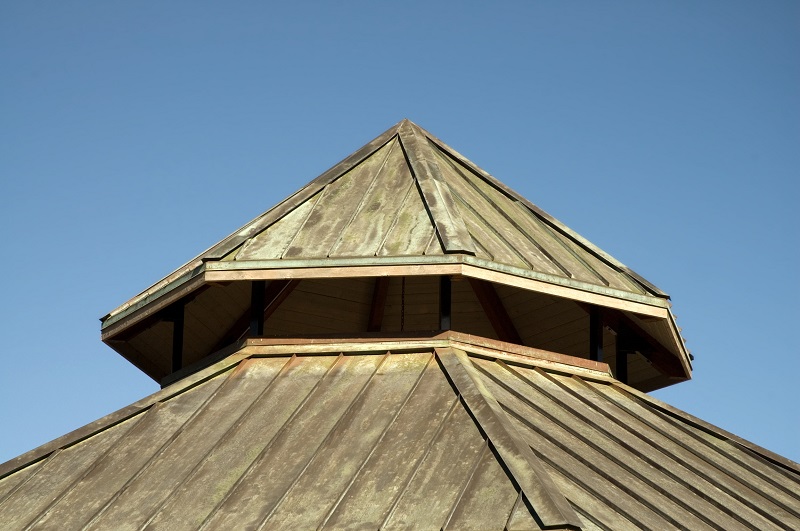
An aging copper roof getting more resilient over time
Copper excels as anti-corrosive material due to its patina — a thin layer of protective oxide formed when exposed to water or air — that naturally resists rust and corrosion.
Unlike rust on iron, this layer protects the metal underneath, making copper magically self-healing. Copper matures and becomes tougher and more weather-resistant over time thanks to its patina.
This unique trait is why copper is so commonly used in plumbing, roofing, and exterior design elements. It’s also popular for faucets, and fixtures — especially in bathrooms, kitchens, and basements where moisture is prevalent.
Copper also holds up beautifully outdoors. From garden sculptures and outdoor lighting to roof tiles and weather-stripping, copper keeps its strength and charm no matter what the natural elements throw at it. Because it doesn’t corrode, it doesn’t leak harmful substances into your home or soil, making it safer for people, pets, and plants.
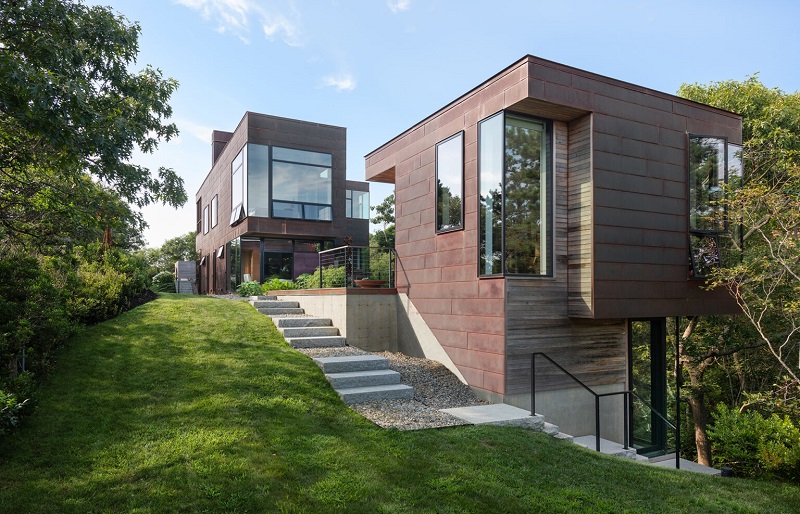
Another view of the Copperdrifts residence that relies on copper cladding to protect against the salty sea air
Image courtesy of Charles Rose Architecture
Architects building custom homes in coastal towns with corrosive salty air are increasingly choosing stylish copper cladding to withstand the harsh elements that eventually corrode most other materials.
6. Sustainable with 100% Recyclability
Copper is one of the most sustainable materials you can use in or around your home. Why? Because it’s 100% recyclable without losing its quality or performance capabilities.
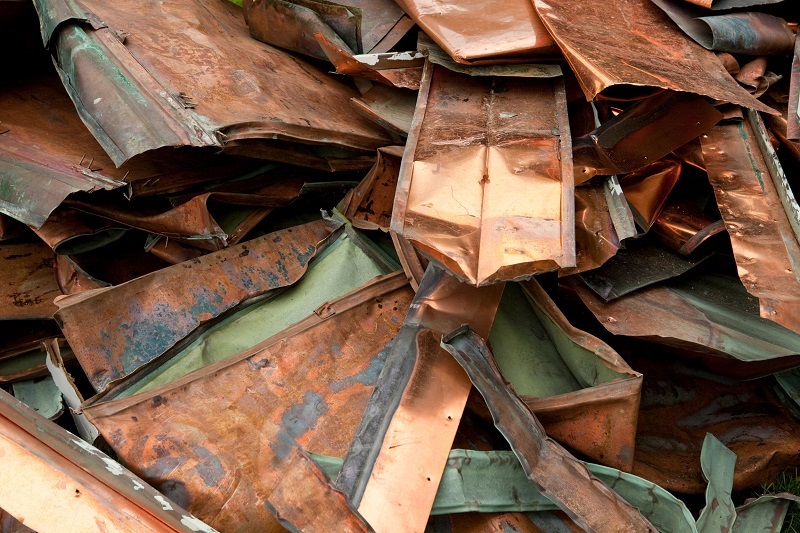
Recyclable scrap pieces of copper
That means old copper roofing, plumbing, wiring, and even décor pieces can be melted down and reused in new forms, over and over again.
FUN FACT:
- About 80% of all copper ever mined is still in use, per the Copper Development Association.
In the United States, a significant portion of the copper used in construction comes from recycled sources. This reduces the need for mining, conserves natural resources, and lowers energy consumption during the manufacturing process. For homeowners who are committed to green building and sustainable living, copper is a terrific choice.
In short, choosing copper supports a circular economy. Whether it’s a recycled sink, a reclaimed light fixture, or a refurbished weather vane, every copper item has the potential for a second (or third) life.
The antimicrobial nature of copper adds another sustainability benefit as it reduces the need for harsh chemical cleaners, which is also better for one’s health.
7. Easy to Shape and Work With
One of copper’s lesser-known superpowers is how easy it is to shape and manipulate. Copper is soft enough to be hammered, bent, or shaped without breaking, yet strong enough to hold up under pressure.

Close up view of a well-crafted copper mug
This malleability makes it ideal for artistic and architectural uses, especially in home décor. Whether you’re crafting intricate lighting fixtures, detailed backsplashes, or custom vent hoods, copper bends and molds to meet your design vision.
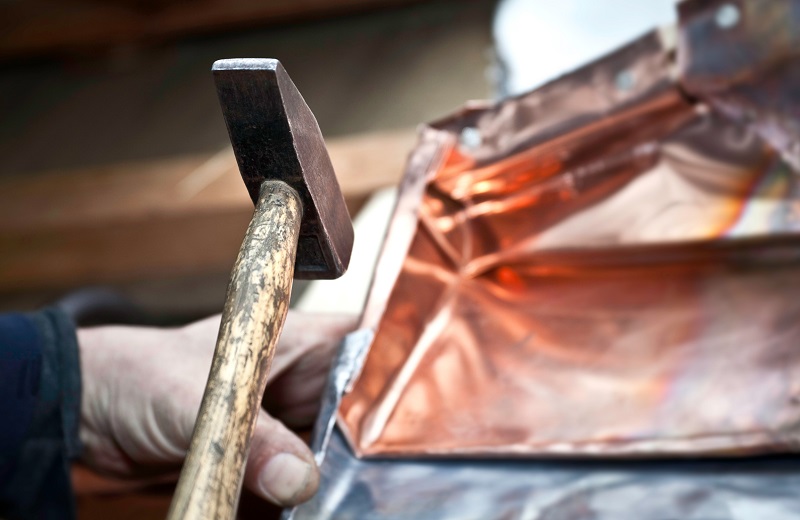
Craftsman working with copper sheets
The ease-of-shaping is a big reason why artisans love working with it. You’ll find hand-hammered copper sinks with ornate patterns, sculpted copper wall art, or even detailed copper trim on stair railings and fireplace mantels.
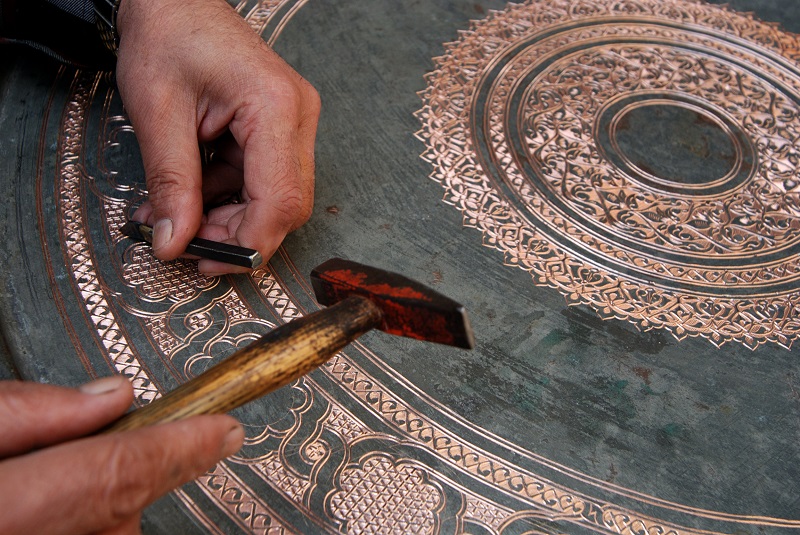
Skilled craftsman chiseling ornate details into a large copper tray
Each item feels personal and one-of-a-kind because the material responds so well to creative hands.
This trait also makes copper a great material for DIYers. Homeowners across the U.S. have been using sheets or rolls of copper to create their own accent walls, cabinet inlays, and countertops. With the right tools and skillset, the material is straightforward to cut, solder, and shape, which opens up tons of custom design possibilities.
Even in more practical areas, like HVAC or electrical work, copper’s flexibility makes installation smoother and faster. Copper’s ease-of-use is appreciated by both professionals and home improvement enthusiasts alike.
8. Changes Over Time
Copper is one of the few materials that gets better with age — thanks to its patina. Over time, exposure to air and moisture causes copper to oxidize over time, creating a natural, protective layer that changes the metal’s color. From warm orange-browns to a greenish-blue patina — envision the Statue of Liberty — this ever-evolving surface adds a dynamic quality that no other material can match.
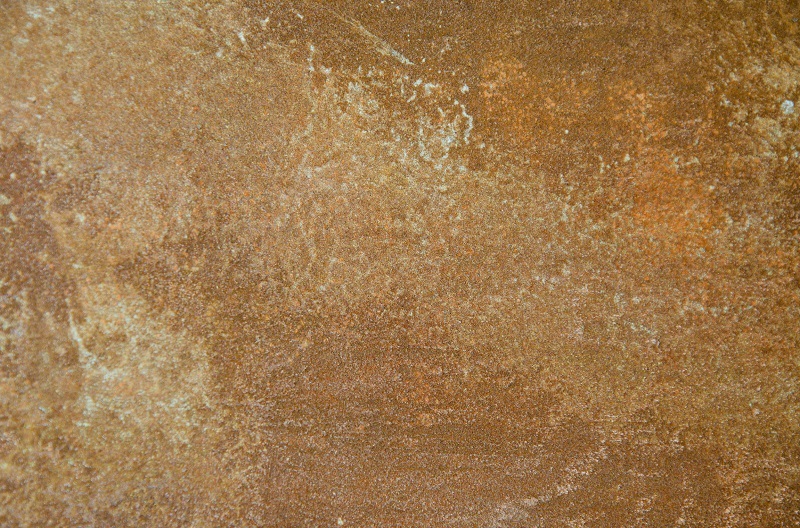
Oxidized copper texture with light blue patina
Homeowners tend to love this trait because it adds a story to every item. A new copper lantern on your porch may start out shiny and golden, but after a few seasons, it will darken and shift in hue, giving your home a unique, aged charm. It’s like watching your home “grow into itself”.
Many designers plan for this change. A copper range hood, for example, may be installed shiny, but its eventual patina adds character to the kitchen over the years. Outdoor applications — like gutters, sculptures, and light fixtures — develop that iconic verdigris green that’s both classic and protective.
9. Increases the Resale Value of Your Home
When looking for home upgrades that offer a solid return on investment, copper can be a standout choice. Its association with luxury, longevity, and functionality makes it a desirable feature in real estate — whether it’s visible or hidden behind the walls.
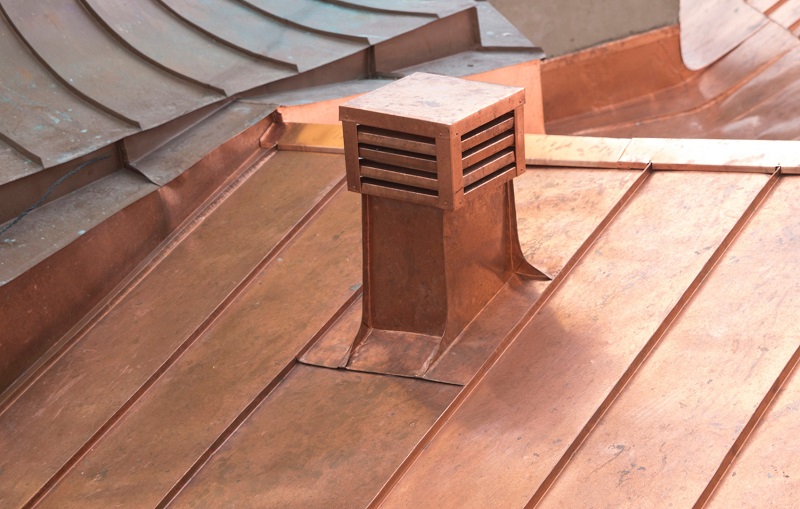
Newly installed standing seam copper roof
Homebuyers definitely take note of copper. From gleaming kitchen hoods to artisanal sinks or elegant lighting fixtures, copper adds visual appeal that stands out in listings and walkthroughs. Even elements like copper gutters, flashing, and downspouts boost curb appeal and show long-term durability.

Copper piping
Behind the scenes, copper plumbing and wiring also increase a home’s value. These features signal quality and safety to inspectors and buyers alike. No one wants to inherit faulty wiring or rusty pipes — copper offers peace of mind and lower maintenance costs, as well.
In upscale markets especially, copper is often seen as a luxury touch. Homeowners and realtors use it as a selling point, highlighting copper fixtures, including cookware, as part of the home’s premium feel. Since copper lasts so long, it’s an investment that continues to pay off over decades.
Savvy homebuyers know that they will not need to replace or repair copper elements as often as other materials, which provides the added benefits of low maintenance and cost-savings.
10. Naturally Fire-Resistant
Safety is a top priority in any home, and copper delivers another key benefit: it’s fire-resistant. That makes it an ideal material for wiring, roofing, and various structural elements that need to withstand high temperatures.
Unlike plastics or composites, copper doesn’t ignite or melt when exposed to flames. That’s why it’s the preferred choice for electrical systems. It maintains connectivity under pressure, reducing the risk of fire from faulty circuits or overloaded systems.
FUN FACT:
- Pure copper’s melting point is 1,981°F, 1,083°C and 1356°K.
This trait is especially important in kitchens. With hot ovens, stovetops, and electrical appliances in close proximity, using fire-resistant materials like copper adds an extra layer of protection. It’s another reason copper cookware is so trusted — aside from being high-performance, it’s incredibly safe.
For outdoor use, think about copper lighting, chimneys, or fire pit accessories. These can be safely exposed to high temperatures without warping or degrading, which adds both safety and longevity to your home.
When it comes to blending beauty with safety, copper stands in a class of its own. It brings peace of mind, especially in regions prone to wildfires or extreme weather events.
11. Low Maintenance
No one wants to spend their weekends polishing metal fixtures or scrubbing away rust. That’s another reason copper is such a winner in home use: it practically takes care of itself. Whether you’re using it in the kitchen, bathroom, or garden, copper’s natural properties mean it stays in great condition with minimal effort.
For indoor applications like sinks, backsplashes, or light fixtures, expensive specialty cleaners are unnecessary. Warm water and mild soap are usually enough. If you like rich, aged patina, there’s no need to polish it — just let it age gracefully. If you do prefer the original shine, a quick wipe with a copper-safe polish brings it right back.
Outside, copper is even more hands-off. Rain, wind, or snow doesn’t faze copper. You won’t see rust, flaking paint, or bubbling surfaces like you would with other materials. Even bird feeders and garden lanterns made from copper look charming with their evolving color tones.
Regarding cookware, a well-made copper pan just needs occasional tin relining (if it’s lined), and it will be good for decades.
This low maintenance factor makes copper a favorite not just for homeowners, but also for busy families, landlords, and Airbnb hosts. Copper offers a trifecta of beauty, durability, and ease of care.
12. Energy Efficient for Heating and Cooling
Copper doesn’t just shine in kitchens and on rooftops — it’s also a behind-the-scenes hero in your home’s energy system. Thanks to its incredible thermal conductivity, copper is the material of choice in heating and cooling systems, helping your home run more efficiently all year long.
For radiant floor heating, copper tubing delivers heat evenly across rooms, using less energy than forced-air systems. It warms up fast, retains heat well, and resists corrosion, which makes it more efficient and reliable than plastic alternatives.
Copper also plays a critical role in HVAC systems. Whether it’s air conditioning coils or refrigerant lines, copper helps move heat quickly and efficiently, reducing the workload on your unit and cutting down on energy bills. Plus, its durability means fewer breakdowns and repairs over time.
Solar water heaters often use copper for similar reasons — it’s able to absorb, retain, and transfer heat far more efficiently than other materials. That means quicker heating and better energy savings.
If you’re trying to make your home “green” or simply want to lower your monthly electric bill, copper is a smart place to start. It’s not flashy in this role, but it’s one of the most effective ways to make your home efficient and more sustainable.
13. Supports Healthy Indoor Air Quality
You might not immediately think of copper when considering air quality. Because of its natural resistance to bacteria, mold, and mildew, copper can play a big part in keeping the air in your home clean and healthy.
Ventilation systems, ductwork, and even filters that incorporate copper elements help reduce microbial buildup. This is particularly useful in humid climates or homes with lots of cooking and bathroom steam. Where mold might grow in plastic or aluminum vents, copper fights back naturally.
In addition to HVAC systems, you’ll often find copper used in humidifiers, air purifiers, and even smart-home climate control units. It resists biofilm formation, which means fewer allergens and less maintenance. That’s great news for allergy sufferers, pet owners, or anyone who wants cleaner, healthier air at home.
Plus, copper-lined surfaces in high-traffic areas — like stair railings and door handles — help cut down on bacteria and viral transmission, which indirectly helps maintain better air hygiene overall.
Clean air isn’t just about filters or open windows. Sometimes, the materials in your home can do a lot of the heavy lifting. Copper is one of the best unsung heroes in the fight for healthier living spaces.
14. Improves Sound Dampening
Copper’s density can absorb vibrations better than lighter metals, subtly reducing noise when used in thicker forms. For example, a copper accent wall could soften the sounds of a busy gathering room, while a heavy copper sink could help quiet a busy kitchen. This trait is especially beneficial in open-plan homes where sound easily carries.
Here are other creative ways copper can be used to help reduce unwanted sounds and vibrations:
- Copper Soundproofing Panels: Thin copper sheets can be layered within walls or ceilings as part of a soundproofing system. Their mass helps block airborne noise, like voices or traffic sounds, when combined with materials like drywall or foam.
- Copper Piping Insulation: Wrapping copper water pipes with foam or rubber insulation reduces noise from water flow or vibrations, especially in homes with loud plumbing systems.
- Copper Vibration Dampers: Copper plates or strips can be attached to surfaces prone to vibration, like HVAC ducts or appliance casings, to absorb and dissipate sound energy.
- Copper-Faced Door Seals: Copper strips can be used in door frames or window seals to create a tight barrier, reducing noise leakage from outside or between rooms.
- Copper Mesh in Walls: Embedding copper mesh in walls during construction can disrupt sound waves and enhance electromagnetic shielding, indirectly reducing perceived noise from electronic devices.
These methods work best when combined with other soundproofing techniques, as copper alone isn’t a complete acoustic privacy solution, but it can add density and vibration control.
For best results, copper panels should be:
- Layered: Combine with materials like acoustic foam, fiberglass, or drywall to enhance sound blocking.
- Strategically placed: Install on walls, ceilings, or around noise sources (e.g. HVAC units) to target specific sounds.
- Thick enough: Thicker panels provide more mass, improving dampening.
Studies on metal-based soundproofing suggest dense materials like copper reduce sound transmission by 10-20 dB when part of a composite system, but far less on their own. If you’re aiming for significant noise reduction indoors, copper panels can contribute but they should be paired with other soundproofing methods.
15. Provides EMF Shielding
What’s EMF Shielding?
EMF Shielding refers to the use of materials or techniques to block or reduce electromagnetic fields (EMFs) from penetrating an area or device. EMF includes electric fields, magnetic fields, and radiofrequency (RF) radiation emitted by sources, such as: power lines; smart meters; Wi-Fi routers; cell phones; computers; and appliances. Shielding is often used to protect sensitive electronics, ensure privacy, or address health concerns pertaining to prolonged, over-exposure to potentially harmful EMFs.
Copper shielding, in particular, can be used to prevent unwanted radio wave signals and sounds from penetrating into or escaping buildings. According to the Copper Development Agency, buildings of the National Security Agency (NSA) located in Ft. Meade, Maryland, are sheathed with copper to prevent unauthorized snooping, as well as to reduce sound leakage outside. Even the windows at NSA are fitted with copper screens!
Admittedly, this capability of copper is currently more applicable for advanced cybersecurity applications — besides national security applications, also think of critical patient healthcare systems that need to be protected from electronic interference. In the case of hospitals, copper sheathing is used to enclose rooms and prevent problems related to the entrance or emission of errant electromagnetic radiation from sensitive equipment such as CAT scan, MRI and X-ray units.
How EMF Shielding Works:
- Conductive Materials: metals like copper, aluminum, or steel are commonly used because they absorb or reflect EMF. Copper, in particular, is highly conductive and effective at blocking RF signals.
- Faraday Cages/Bags/Pouches: a complete enclosure of conductive material (e.g. copper mesh) redirects EMF around the protected space.
- Grounding: shielding materials are often grounded to dissipate absorbed energy.
Examples in Homes:
- Copper Mesh in Walls: reduces Wi-Fi or cell signals entering rooms.
- EMF Paint: conductive paints block RF from external sources.
- Shielded Fabrics: curtains or canopies with copper threading limit EMF in sleeping areas.
Effectiveness:
- Copper can block 99%+ of RF signals (e.g. 1-5 GHz Wi-Fi) when properly installed, per studies on conductive shielding
- Low-frequency magnetic fields (e.g. from power lines) are harder to shield and require thicker materials or distance
- Note: EMF shielding doesn’t inherently dampen sound unless combined with dense materials for that purpose.

Mission Darkness Non-Window Faraday Bag for Phones by MOS Equipment
In due time, we expect to see copper to play a growing role in systematically equipping homes (in combination with Faraday bags currently used for mobile phones) to protect residents from:
- Prolonged harmful exposure to EMF radiation from household devices, such as: smart meters; mobile phones; computers; smart devices; and network routers.
- Protection against cyber-burglars who patrol neighborhoods attempting to “sniff” digital vulnerabilities in households, especially remote-controlled garage door openers and routers connected to computer devices with sensitive information.
Closing Thoughts About Copper
Copper isn’t just another metal — it’s a versatile powerhouse that combines function with beauty, tradition with innovation, and durability with design flair. Whether you’re outfitting a kitchen with heirloom-quality cookware, installing high-performance HVAC systems, or adding vintage charm to your backyard, copper offers a value that’s difficult to match.
From its natural antimicrobial powers to its eco-friendly recyclability, every trait copper brings to the table adds something meaningful to your home. It’s not just about having a shiny faucet or a stylish light fixture — it’s about investing in quality, style, and functionality that will last for generations.
The next time you’re thinking about a home upgrade, big or small, consider copper. It’s more than metal — it’s magic!
Copper Resources
- Copper Development Agency
- Copper in the US: Opportunities and Challenges (S&P Global Market Intelligence)
- Copper in Architecture Awards 2024
- Copperdrifts Residence by Charles Rose Architects
- Madrone Ridge Residence by Field Architecture
- Driving the Future of Transportation with Copper
- Copper Age 2.0
- Copper Interactive Historic Timeline
- Copper in Your Home
More Recommended Interior Design Articles
- Why Luxury Italian Home Décor is an Attractive Investment
- How to Choose the Right Colors For Your Home
- Why Coffee Tables are Key to the Design of Living Room Spaces
- How to Integrate Satellite Tables In Your Home Creatively
- Why You Should Apply Cinematically Inspired Design to Your Home
- Design Inspiration from the 2024 Pasadena Showcase House of Design
- Related Topics: Materials | Furniture | Interior Design | Home Décor
| Purgula is reader-supported. When you click on links to other sites from our website, we may earn affiliate commissions, at no cost to you. If you find our content to be helpful, this is an easy way for you to support our mission. Thanks! Learn more. |